-
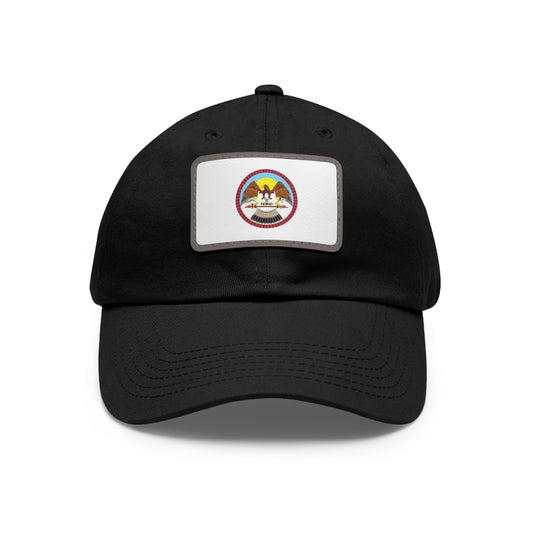
Ute People Leather Patch Hat
Regular price $18.85 USDRegular priceUnit price per -
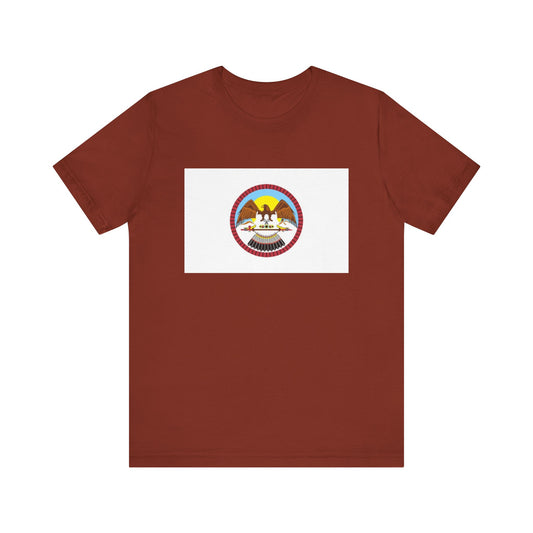
Ute People T-shirt
Regular price $22.79 USDRegular priceUnit price per -
Ute People Pillow
Regular price $22.65 USDRegular priceUnit price per -
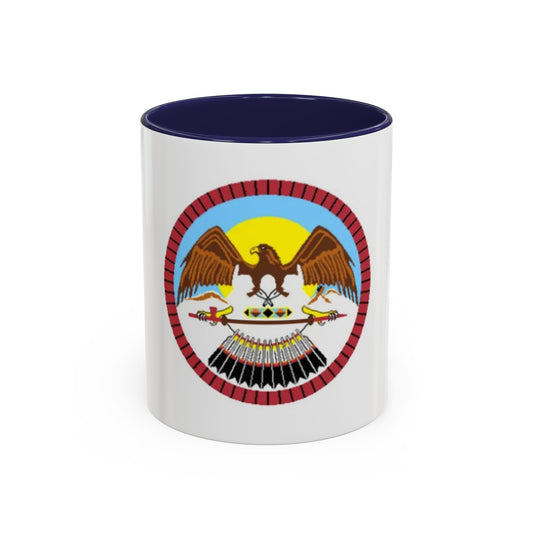
Ute People Mug
Regular price $11.65 USDRegular priceUnit price per -
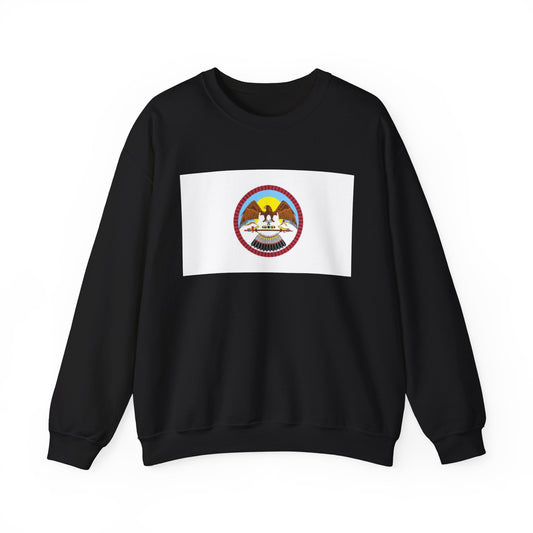
Ute People Sweatshirt
Regular price $34.15 USDRegular priceUnit price per -
Ute People Backpack
Regular price $59.79 USDRegular priceUnit price per -
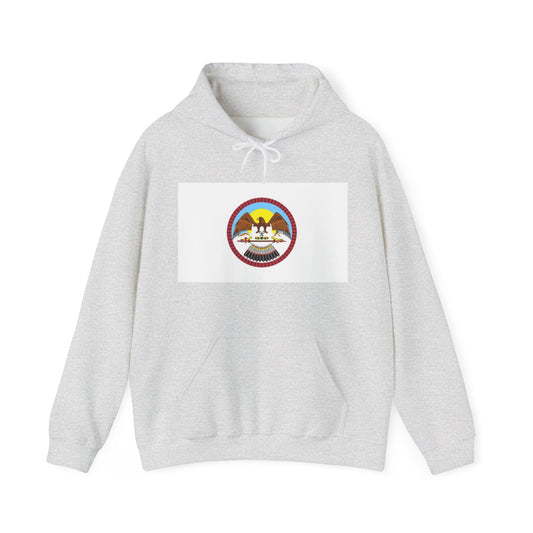
Ute People Hoodies
Regular price $34.40 USDRegular priceUnit price per








Collection: Native American Flags: Ute People
Celebrate the heritage, sovereignty, and rich culture of the Uintah and Ouray Ute Indian Tribe with our authentic collection of flags and merchandise. These items honor the tribe’s deep historical roots, spiritual traditions, and ongoing commitment to preserving their way of life on their ancestral lands in northeastern Utah.
About the Ute People

The Ute people are a Native American group with ancestral ties to the Great Basin and Colorado Plateau. Their traditional territory spans modern Utah, western Colorado, northern New Mexico, southern Wyoming, eastern Nevada, and northern Arizona. As part of the Numic-speaking peoples within the Uto-Aztecan language family, the Utes have maintained a strong connection to the land and a rich cultural heritage.
Archaeological evidence suggests the Utes arrived around 500 A.D., likely absorbing or displacing the Fremont Culture. They organized into twelve independent bands, each with distinct territories. The Utes thrived through a lifestyle based on hunting, gathering, and some agriculture, harvesting deer, rabbits, berries, seeds, and cultivating crops like corn, beans, pumpkins, squashes, and potatoes.
The introduction of the horse in the 1600s was transformative, enabling enhanced mobility and more effective buffalo hunting. Ute culture features significant ceremonies such as the Bear Dance, which celebrates the coming of spring and the renewal of life. The Utes also adapted aspects of Plains Indian culture, including headdresses and tipis, while maintaining their own unique traditions and spiritual beliefs. Oral histories include stories of Sinauf, a half-man, half-wolf deity.
Uintah and Ouray Ute Indian Tribe
The Uintah and Ouray Ute Indian Tribe is one of three federally recognized Ute tribes. The tribe’s reservation is primarily located in northeastern Utah, centered around Fort Duchesne. The tribe is named after two historic bands, the Uintah and Ouray, who combined under federal recognition.
The tribe governs extensive trust lands, maintains cultural programs, and manages natural resources. Language preservation, educational initiatives, and cultural revitalization are ongoing priorities.
Uintah and Ouray Ute Flag Symbolism
The Uintah and Ouray Ute tribal flag prominently features a central eagle, a sacred symbol representing strength, spiritual vision, freedom, and protection. The eagle is deeply revered in many Native American traditions as a messenger between the physical and spiritual worlds.
Flag Elements:
-
Central Eagle: Depicted with wings partially spread, symbolizing vigilance and spiritual guardianship over the tribe.
-
Sun or Circular Motif: Surrounding or behind the eagle, representing the “land of the sun,” which is a meaning attributed to the name “Ute.” This motif also symbolizes life, continuity, and renewal.
-
Tribal Colors: The flag usually incorporates vibrant shades of red, blue, yellow, and white. Each color holds cultural meaning — for example, red can symbolize life and courage, blue can represent the sky and water, yellow the sun and prosperity, and white purity and peace.
- Additional Symbols: Feathers or arrows may appear as part of the design, signifying protection, unity, and the tribe’s warrior spirit.
Contemporary Relevance
Today, the Uintah and Ouray Ute Indian Tribe actively preserves their heritage while managing their land and resources in northeastern Utah. The tribe operates programs dedicated to language revitalization, cultural education, healthcare, and economic development. They continue to honor traditional ceremonies like the Bear Dance, ensuring that cultural knowledge is passed to future generations.
The tribe also advocates for the protection of sacred sites and natural resources vital to their identity and well-being.
Additional Facts
- The word “Ute” is believed to mean “land of the sun,” highlighting the tribe’s connection to their ancestral homeland.
- The Fort Duchesne Indian Reservation serves as the center of tribal government and community life.
- The eagle, as a spiritual symbol, embodies the tribe’s ideals of vision, freedom, and protection.
- The tribe’s language, part of the Numic branch of the Uto-Aztecan family, is endangered but the tribe actively works to revitalize it.
- The Bear Dance is among the most important cultural ceremonies, symbolizing renewal and harmony with nature.