
-
Houma People Leather Patch Hat
Regular price $18.85 USDRegular priceUnit price per -
Houma People Trucker Cap
Regular price $14.90 USDRegular priceUnit price per -
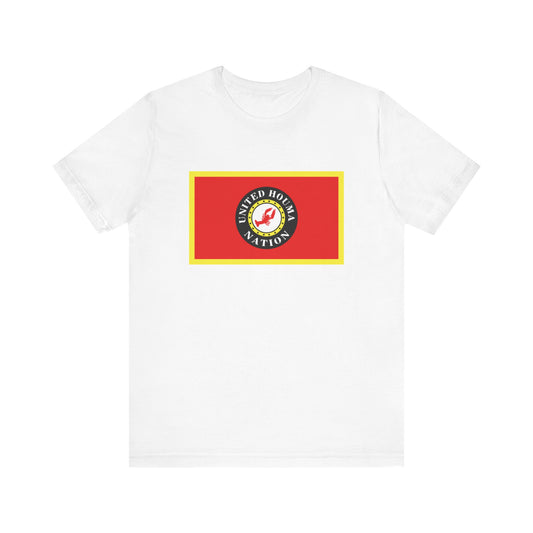
Houma People T-shirt
Regular price $22.79 USDRegular priceUnit price per -
Houma People Pillow
Regular price $22.65 USDRegular priceUnit price per -
Houma People Backpack
Regular price $59.79 USDRegular priceUnit price per -
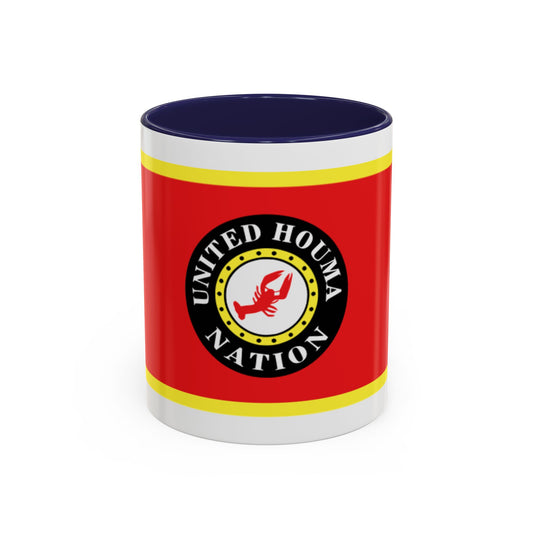
Houma People Mug
Regular price $11.65 USDRegular priceUnit price per -
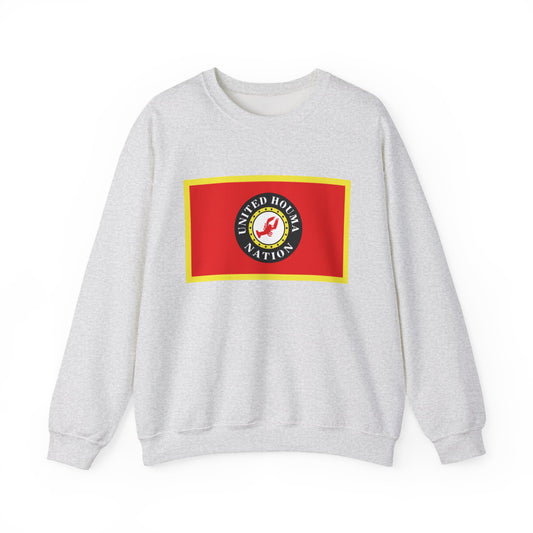
Houma People Sweatshirt
Regular price $34.15 USDRegular priceUnit price per -
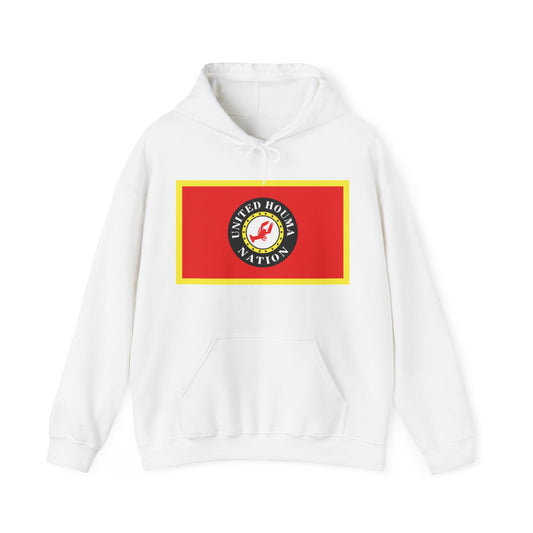
Houma People Hoodies
Regular price $34.40 USDRegular priceUnit price per












Collection: Native American Flags: Houma Nation Tribe
Honor the heritage, resilience, and cultural richness of the United Houma Nation with our curated collection of flags and flag merchandise. This page is dedicated to celebrating the enduring legacy of the Houma people—through beautifully designed flags, apparel, and collectibles that reflect their unique traditions and symbols.
The Houma People: Guardians of the Coastal Wetlands

The Houma people are an Indigenous Nation native to the southeastern region of Louisiana. Historically, they inhabited areas along the Red River and Mississippi River, gradually migrating southward due to European colonization and intertribal conflicts. Over time, they settled in the bayous and wetlands of Louisiana, adapting to the unique coastal environment.
The Houma are known for their deep connection to the land and water, relying on fishing, trapping, and agriculture for sustenance. Their culture is rich with traditions, including basket weaving, storytelling, and a strong emphasis on community and family ties.
Today, the United Houma Nation is a state-recognized tribe with over 17,000 enrolled members residing primarily in six parishes: Terrebonne, Lafourche, Jefferson, Plaquemines, St. Mary, and St. Bernard. Despite facing challenges such as coastal erosion and climate change, the Houma people continue to preserve their cultural identity and advocate for federal recognition.
United Houma Nation Flag: Symbolism and Design
The flag of the United Houma Nation is a powerful emblem representing the tribe's heritage, values, and connection to their ancestral lands. The flag features a vibrant red background, symbolizing the meaning of "Houma" in the Choctaw language—"red."
At the center of the flag is a white circle containing a red crawfish, an important symbol for the Houma people. The crawfish, or "saktce-ho’ma," is believed to be a war emblem and holds cultural significance, reflecting the tribe's resilience and connection to the waterways of Louisiana.
Encircling the crawfish are the words "United Houma Nation," emphasizing unity and identity. The flag's design elements collectively honor the tribe's history, cultural symbols, and enduring presence in the region.
Cultural Significance and Modern Presence
The Houma people continue to uphold their cultural traditions while engaging in contemporary life. Language revitalization efforts are underway, with programs aimed at preserving the Houma language and promoting the use of French and Louisiana French among community members.
Traditional practices such as basket weaving remain integral to the Houma culture. Notably, artisans like Theresa Luster are working to preserve this craft, which is threatened by climate change and the loss of natural materials due to coastal erosion .
The United Houma Nation actively addresses environmental challenges impacting their communities. In 2024, the tribe secured $56.5 million in federal grants to implement a climate resiliency plan. This strategy includes enhancing community resilience hubs and exploring community-led migration to address the impacts of rising sea levels and increased storm intensity .
Additional Facts and Protocols
-
Language: The Houma language, once spoken by the tribe, is a Western Muskogean language closely related to Choctaw. Efforts are ongoing to document and revitalize the language.
-
Cultural Practices: The Houma people have a rich tradition of using native plants for medicinal purposes, including treatments for colds, influenza, and other ailments.
-
Governance: The United Houma Nation operates under a tribal government structure, with elected representatives for each district and a Principal Chief. As of 2022, Lora Ann Chaisson serves as the Principal Chief.
- Environmental Advocacy: The tribe actively engages in environmental conservation efforts, addressing issues such as coastal erosion, habitat loss, and the impacts of industrialization on their traditional lands.