-
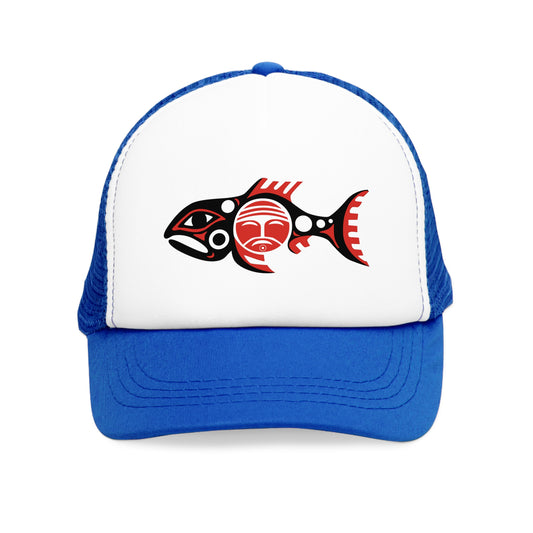
Chinook Trucker Cap
Regular price $14.90 USDRegular priceUnit price per -
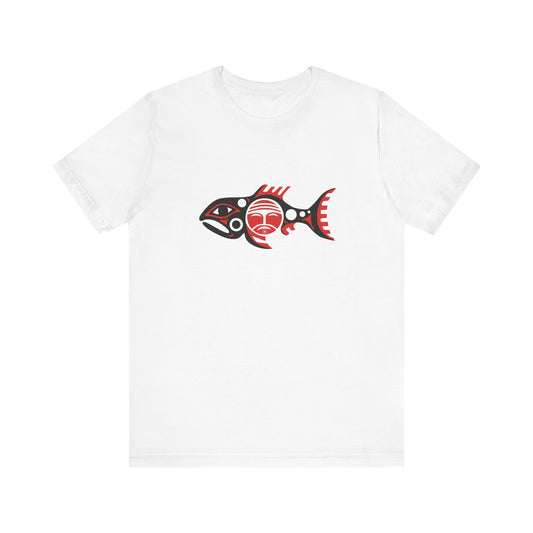
Chinook T-shirt
Regular price $22.79 USDRegular priceUnit price per -
Chinook Backpack
Regular price $59.79 USDRegular priceUnit price per -
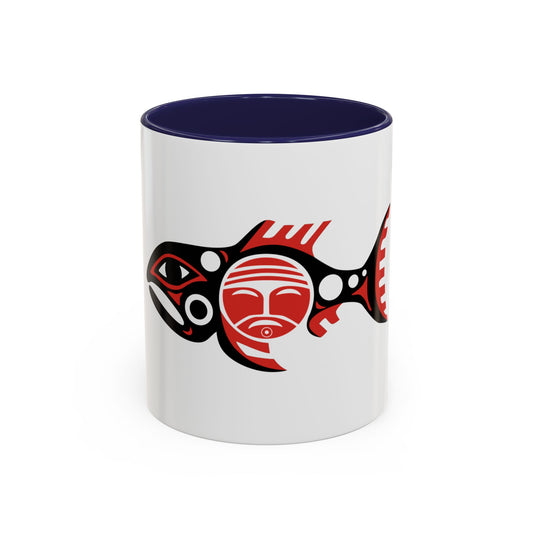
Chinook Mug
Regular price $11.65 USDRegular priceUnit price per -
Chinook Hoodies
Regular price $34.40 USDRegular priceUnit price per -
Chinook Sweatshirt
Regular price $34.15 USDRegular priceUnit price per






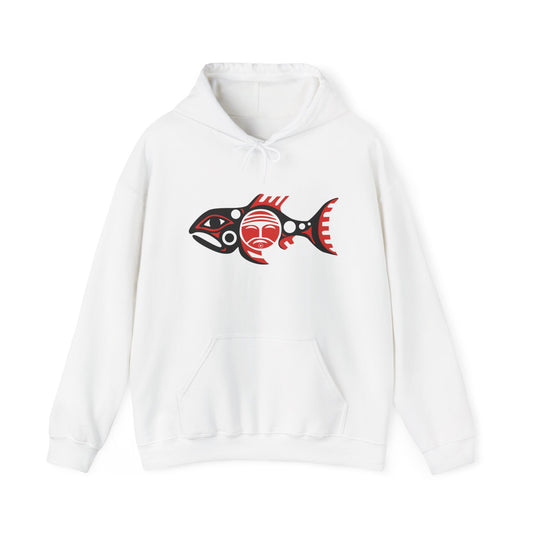


Collection: Native American Flags: Chinook Nation
Celebrate the enduring heritage of the Chinook Indian Nation—a people renowned for their rich cultural traditions, intricate artistry, and deep connection to the Columbia River. Our collection of Chinook flags and merchandise honors the tribe's legacy and their ongoing journey toward federal recognition.
Historical Context

The Chinook people, or Chinookan peoples, have historically inhabited the lower and middle regions of the Columbia River, encompassing areas of present-day Oregon and Washington. They were known for their sophisticated social structures, extensive trade networks, and distinctive art forms. The Chinook played a pivotal role in regional commerce, facilitating exchanges between coastal and inland tribes.
In 1805, the Lewis and Clark Expedition encountered the Chinook, noting their hospitality and the strategic importance of their settlements along the Columbia River. Despite their significant contributions to the region's history, the Chinook Indian Nation has faced challenges in obtaining and maintaining federal recognition. They were briefly recognized in 2001, but this status was rescinded later that year. The tribe continues to advocate for the restoration of their federal recognition.
Symbolism of the Chinook Indian Nation Flag
The Chinook Indian Nation Flag, adopted in January 2003, embodies the tribe's identity and cultural heritage through its design elements:
-
Design: A stylized Chinook salmon rendered in the traditional Northwest Coast Indian art style, depicted in black and red on a white field. Centered on the salmon's body is a human face.
-
Symbolism:
- Chinook Salmon: Represents the tribe's namesake and their deep-rooted connection to the salmon, a vital resource for sustenance and cultural practices.
- Human Face: Denotes the close and vital association between the Chinook people and their historic source of sustenance, emphasizing the interdependence between the tribe and the natural world.
-
Orientation: The salmon faces the hoist side of the flag, adhering to heraldic conventions that ensure the animal points forward when the flag is carried in a parade.
- Designer: The flag was designed by Tony Johnson, a tribal member and accomplished artist. Johnson's work reflects the traditional Chinookan art style, characterized by geometric shapes and the integration of human and animal forms.
Modern Relevance and Tribal Governance
The Chinook Indian Nation comprises the Cathlamet, Clatsop, Lower Chinook, Wahkiakum, and Willapa Chinook tribes. Headquartered in Bay Center, Washington, the tribe continues to uphold its cultural traditions, language revitalization efforts, and advocacy for federal recognition.
The flag serves as a unifying symbol for the Chinook people, representing their resilience, cultural identity, and ongoing pursuit of justice and recognition.
Additional Facts About the Chinook People
-
Artistic Heritage: Chinookan art is noted for its use of geometric shapes and the integration of anthropomorphic and zoomorphic figures, reflecting the tribe's worldview and spiritual beliefs.
-
Cultural Practices: The Chinook were known for their cedar longhouses, complex social hierarchies, and ceremonial practices that emphasized community and connection to the natural world.
- Language: Efforts are ongoing to revitalize the Chinookan languages, preserving the linguistic heritage of the tribe for future generations.