
-
Iowa People Leather Patch Hat
Regular price $18.85 USDRegular priceUnit price per -
Iowa People Trucker Cap
Regular price $14.90 USDRegular priceUnit price per -
Iowa People T-shirt
Regular price $22.79 USDRegular priceUnit price per -
Iowa People Backpack
Regular price $59.79 USDRegular priceUnit price per -
Iowa People Mug
Regular price $11.65 USDRegular priceUnit price per -
Iowa People Sweatshirt
Regular price $34.15 USDRegular priceUnit price per -
Iowa People Hoodies
Regular price $34.40 USDRegular priceUnit price per



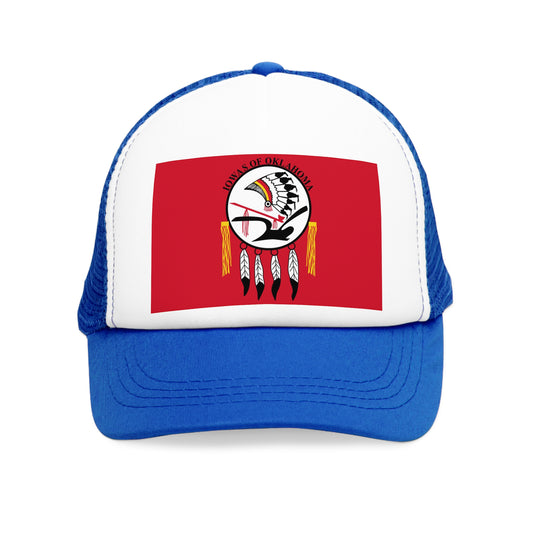

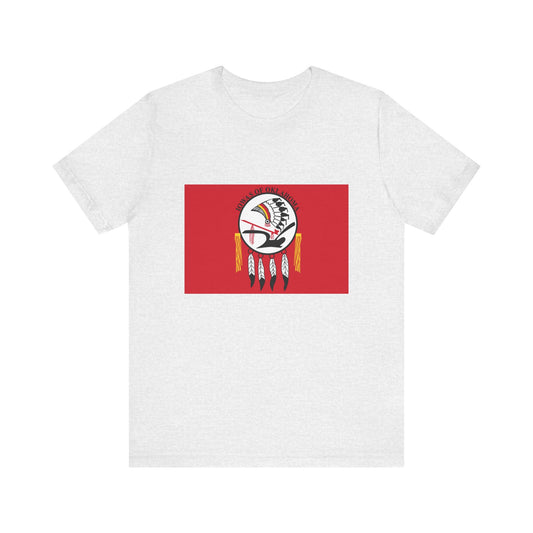



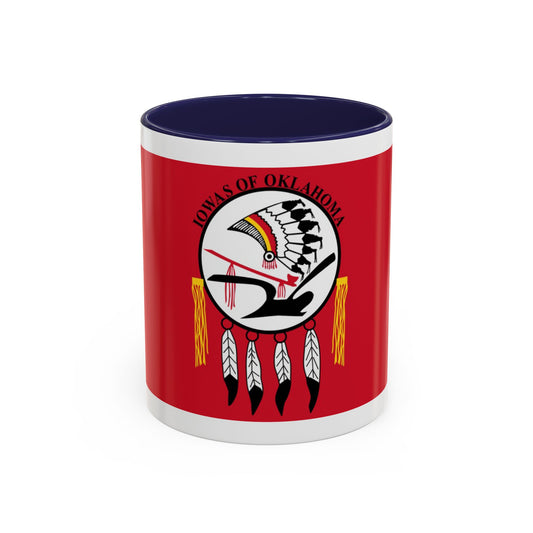

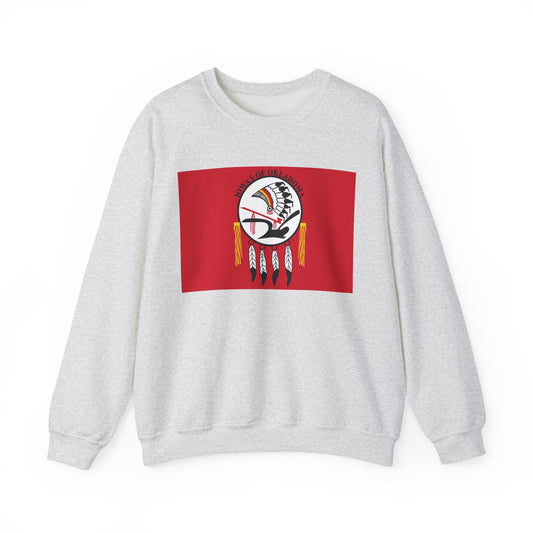

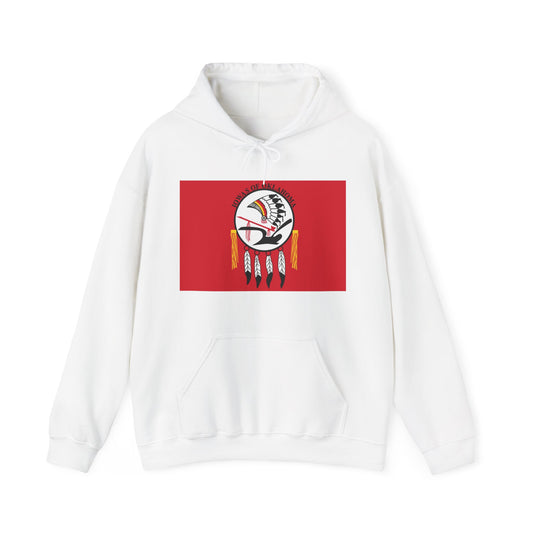
Collection: Native American Flags: Iowa Tribe
The Iowa People: Keepers of the Grey Snow Legacy

The Iowa people—self-identified as Báxoje, meaning “People of the Grey Snow”—are a Native American tribe of the Siouan language family. They are closely related to the Otoe and Missouria tribes, all of whom speak dialects of the Chiwere language. Originally part of the larger Ho-Chunk (Winnebago) people, the Iowa migrated southward from the Great Lakes region into what is now Iowa, a state that bears their name.
The Iowa were semi-nomadic, combining agriculture with hunting and gathering. They cultivated crops like maize and beans, lived in bark lodges and earth lodges, and used tipis during hunting expeditions. Their society was organized into clans such as Bear, Buffalo, and Wolf, each with specific roles and responsibilities.
European contact began in the 17th century, with the Iowa establishing trade relations with French explorers. However, by the 19th century, U.S. expansion and treaties led to the cession of their lands. In 1837, the Iowa were relocated to reservations in Kansas and Nebraska. Later, in 1878, some bands moved to Indian Territory, now Oklahoma.
Today, the Iowa people are represented by two federally recognized tribes:
-
Iowa Tribe of Kansas and Nebraska: Headquartered in White Cloud, Kansas, this tribe governs lands along the Missouri River.
- Iowa Tribe of Oklahoma: Based in Perkins, Oklahoma, this tribe oversees lands between the Cimarron and Deep Fork rivers.
Modern Governance and Cultural Revitalization
Both Iowa tribes operate sovereign governments, managing services such as health care, education, and cultural preservation. Efforts are underway to revitalize the Chiwere language, with programs aimed at teaching the language to younger generations. Cultural events, including powwows and seasonal ceremonies, play a vital role in maintaining tribal identity and community cohesion.
Economic initiatives, such as casinos and agricultural enterprises, support tribal self-determination and development. Environmental stewardship is also a priority, with programs focused on preserving natural resources and traditional lands.
Cultural Insights and Legacy
-
Language: Chiwere, a Siouan language, is being revitalized through educational programs and community efforts.
-
Notable Figures: Chief Mahaska (White Cloud) was a prominent Iowa leader known for his diplomacy and efforts to maintain peace during times of upheaval.
- Traditional Practices: The Iowa people have a rich tradition of storytelling, music, and dance, which continue to be integral parts of their cultural expression.