
-
Sioux Leather Patch Hat
Regular price $18.85 USDRegular priceUnit price per -
Sioux Trucker Cap
Regular price $14.90 USDRegular priceUnit price per -
Sioux T-shirt
Regular price $22.79 USDRegular priceUnit price per -
Sioux Pillow
Regular price $22.65 USDRegular priceUnit price per -
Sioux Sweatshirt
Regular price $34.15 USDRegular priceUnit price per -
Sioux Backpack
Regular price $59.79 USDRegular priceUnit price per -
Sioux Hoodies
Regular price $34.40 USDRegular priceUnit price per









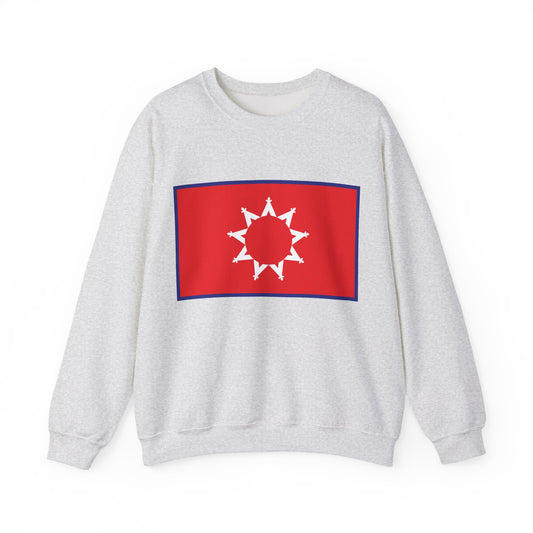

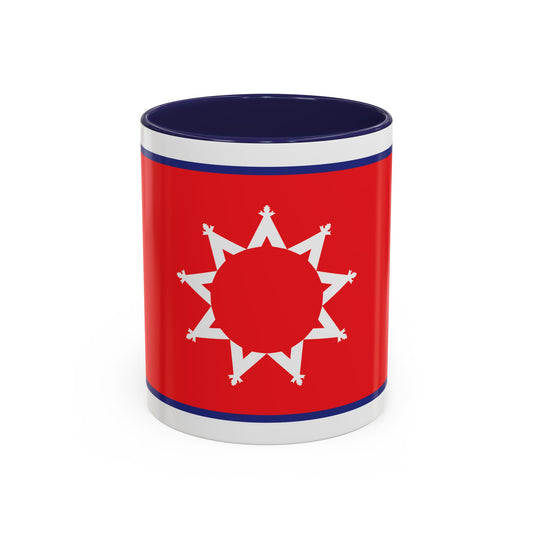




Collection: Native American Flags: Sioux Tribe
Honor the spirit, heritage, and strength of the Sioux Nation with our carefully curated collection of flags and flag merchandise. This page is dedicated to celebrating the cultural legacy of the Sioux people—comprised of the Dakota, Nakota, and Lakota tribes—through beautifully designed flags, apparel, and collectibles that reflect their enduring traditions and symbols.
The Sioux: A Proud and Enduring Nation

The Sioux Nation is one of the most prominent and historically influential Native American tribal confederacies in North America. The name “Sioux” broadly refers to a group of Native American tribes that share common linguistic and cultural roots. These tribes are divided into three major groups:
- Dakota (Eastern Sioux) – Known as the Santee, located historically in Minnesota.
- Nakota (Middle Sioux) – Including the Yankton and Yanktonai tribes, primarily in the Dakota Territory.
- Lakota (Western Sioux) – The largest of the three, known for their warrior culture and leadership in resistance movements, especially across the Great Plains and the Black Hills region.
Each group has its own unique dialect, customs, and tribal government, yet they all share a deep connection to the land, to community values, and to a spiritual worldview grounded in nature, family, and sacred ceremonies.
Sioux Flag: Symbolism and Design
The Sioux tribal flags vary among the individual Lakota, Dakota, and Nakota nations, but they all serve a common purpose: to represent tribal sovereignty, honor ancestral lineage, and preserve cultural identity.
- The Oglala Lakota flag, for example, features a red field with a white eight-pointed star in the center, symbolizing the eight districts of the Pine Ridge Reservation.
- The Standing Rock Sioux flag displays a powerful blue circle bordered with eagle feathers, representing the sacredness of the circle and unity among the people.
- Many Sioux flags include traditional imagery such as tipis, bison, sacred eagles, and tribal seals—all honoring their historical legacy and connection to the Great Spirit.
These flags are not only a symbol of tribal pride—they’re also a declaration of autonomy and resilience, still flown today at tribal government buildings, cultural events, and powwows across North America.
Contemporary Significance of the Sioux Tribe
Today, the Sioux Tribe is represented by several federally recognized nations, including the Oglala Sioux Tribe, Standing Rock Sioux Tribe, Rosebud Sioux Tribe, Cheyenne River Sioux Tribe, Sisseton Wahpeton Oyate, and others. Each of these tribes operates its own government, manages its own lands, and maintains a strong cultural and political identity.
In recent years, the flags of the Sioux have also appeared prominently in social justice and environmental movements. During the protests against the Dakota Access Pipeline, the flag of the Standing Rock Sioux Tribe became an international symbol of resistance, representing indigenous sovereignty and the right to protect sacred lands and water sources.
Beyond political activism, Sioux flags serve as visual anchors for cultural education, language revitalization, and intergenerational pride. They remain powerful emblems of identity, dignity, and survival.
Additional Facts and Protocols
-
Sacred Representation: Sioux tribal flags are sacred and represent sovereign nations. Use of these flags should always be conducted with respect and in accordance with tribal customs.
-
Display Guidelines: When flown with the U.S. flag, the order of precedence may vary based on tribal preference or protocol. Tribal flags are often placed in positions of honor at tribal and intergovernmental functions.
-
Design Elements: Many flags incorporate the Dakota, Nakota, or Lakota language, alongside meaningful colors and symbols that reflect creation stories, social structures, and spiritual beliefs.
-
Cultural Use: Sioux flags are often carried in grand entries at powwows, displayed at tribal schools and colleges, and used during memorials and honoring ceremonies.
- Legal Recognition: Each Sioux tribal flag represents a sovereign political entity, acknowledged under federal law. These are not decorative items—they are national symbols recognized by treaties and legal status.