
-
Cheyenne Trucker Cap
Regular price $14.90 USDRegular priceUnit price per -
Cheyenne T-shirt
Regular price $22.79 USDRegular priceUnit price per -
Cheyenne Pillow
Regular price $22.65 USDRegular priceUnit price per -
Cheyenne Mug
Regular price $11.65 USDRegular priceUnit price per -
Cheyenne Sweatshirt
Regular price $34.15 USDRegular priceUnit price per -
Cheyenne Backpack
Regular price $59.79 USDRegular priceUnit price per -
Cheyenne Hoodies
Regular price $34.40 USDRegular priceUnit price per








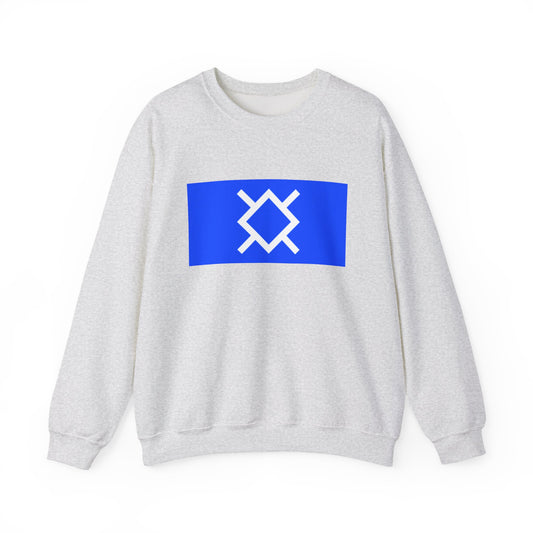



Collection: Native American Flags: Cheyenne Tribe
Honor the fierce spirit, deep traditions, and lasting legacy of the Cheyenne Tribe with our specially curated collection of flags and cultural merchandise. These items are inspired by the Cheyenne people’s strength, spiritual depth, and enduring commitment to preserving their heritage across generations.
The Cheyenne: Guardians of the Plains

The Cheyenne Tribe is one of the most historically significant Native American nations of the Great Plains. Originally from the woodlands near the Great Lakes, the Cheyenne migrated westward and eventually became a powerful Plains tribe, renowned for their warrior societies, diplomacy, and strong alliance with the Arapaho and Lakota.
Today, the Cheyenne are divided into two federally recognized tribes:
-
Northern Cheyenne Tribe – Based in southeastern Montana, near the Tongue River, with tribal headquarters in Lame Deer.
- Cheyenne and Arapaho Tribes – A united tribal government located in western Oklahoma, made up of Southern Cheyenne and Southern Arapaho peoples.
The Cheyenne people are known for their rich oral traditions, ceremonial practices like the Sun Dance, and their commitment to community and balance with nature.
Cheyenne Flag: Symbolism and Design
Each tribal government of the Cheyenne people has its own distinctive flag, incorporating cultural symbols that reflect both historical strength and spiritual continuity.
- The Northern Cheyenne flag features a deep blue field with a central circle enclosing a white buffalo—a sacred animal symbolizing purity, survival, and spiritual abundance. Surrounding the buffalo are four crossed arrows, pointing outward, representing peace through strength and the protection of the four directions.
- The Cheyenne and Arapaho Tribes’ flag includes dual imagery representing both peoples. The Cheyenne component features a traditional arrowhead shape, referencing both warrior honor and cultural identity.
Common symbols across these flags include:
-
Buffalo imagery, representing sustenance and the spiritual connection to the land
-
Arrows or arrowheads, tied to traditional warfare, protection, and strength
- Circles or four-direction motifs, signifying unity, life cycles, and harmony with nature
These flags stand as emblems of survival, sovereignty, and the living traditions of the Cheyenne. They’re proudly displayed during cultural ceremonies, intertribal gatherings, and tribal council proceedings.
Modern Relevance of the Cheyenne Tribe
Today, the Cheyenne Tribe continues to uphold its cultural values while engaging actively in governance, education, and preservation of tribal lifeways.
- The Northern Cheyenne Tribe maintains language preservation programs, traditional ceremonies, and natural resource protection initiatives on its reservation lands.
- The Cheyenne and Arapaho Tribes offer robust community services, cultural education programs, and economic development efforts across Oklahoma.
Across both governments, the Cheyenne flag is an important visual declaration of sovereignty, cultural endurance, and intergenerational identity.
These flags serve as a unifying presence at events such as traditional dances, language immersion activities, veteran honors, and diplomatic sessions with state and federal entities. They are not just symbols of the past, but of a thriving Indigenous future.
Additional Facts and Cultural Protocols
-
Warrior Societies: The Cheyenne maintained several traditional warrior societies such as the Dog Soldiers, which played both military and spiritual roles. Flags sometimes incorporate imagery linked to these historic groups.
-
Ceremonial Use: Tribal flags may be presented during sacred rituals, initiation rites, and annual tribal gatherings, each with its own set of respectful customs and handling guidelines.
-
Sacred Colors and Figures: Elements like the white buffalo and four-direction cross are not decorative—they hold ceremonial meaning and spiritual authority, and must be depicted with cultural accuracy.
- Tribal Sovereignty: Each Cheyenne flag is an assertion of political independence, and is legally recognized as the symbol of a self-governing tribal nation.