
-
Navajo Leather Patch Hat
Regular price $18.85 USDRegular priceUnit price per -
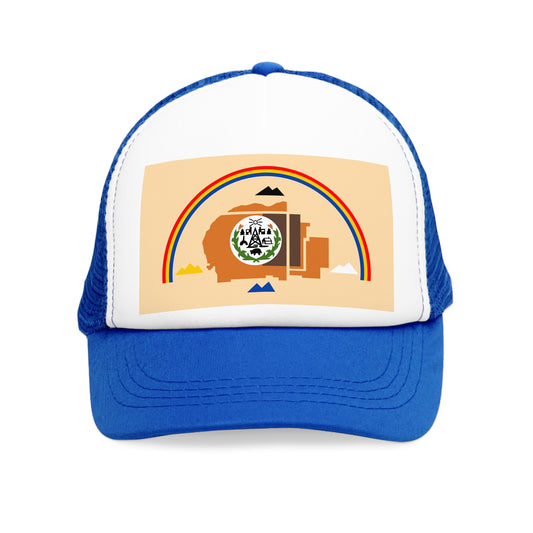
Navajo Trucker Cap
Regular price $14.90 USDRegular priceUnit price per -
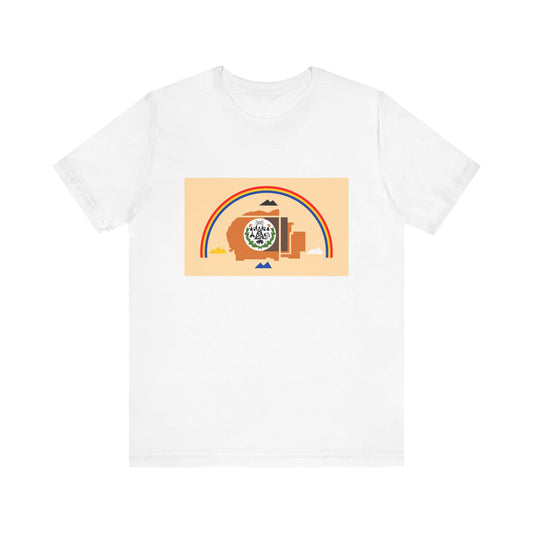
Navajo T-shirt
Regular price $22.79 USDRegular priceUnit price per -
Navajo Pillow
Regular price $22.65 USDRegular priceUnit price per -
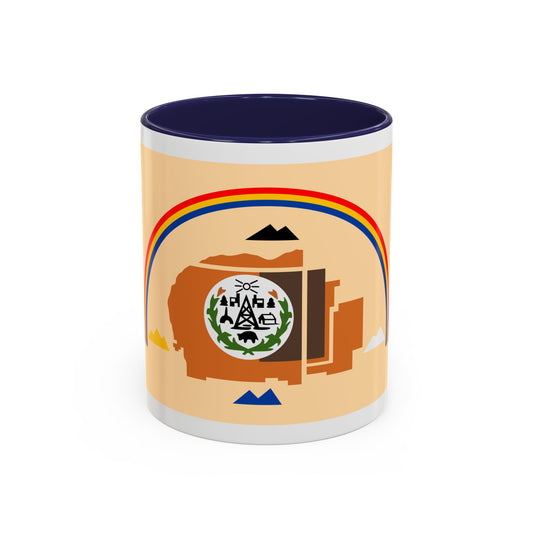
Navajo Mug
Regular price $11.65 USDRegular priceUnit price per -
Navajo Sweatshirt
Regular price $34.15 USDRegular priceUnit price per -
Navajo Backpack
Regular price $59.79 USDRegular priceUnit price per -
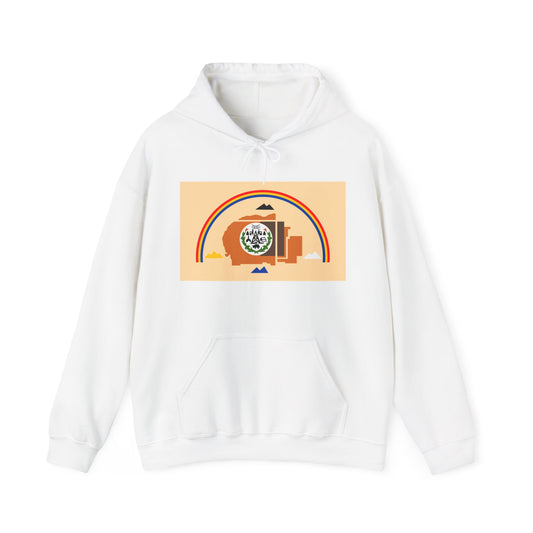
Navajo Hoodies
Regular price $34.40 USDRegular priceUnit price per












Collection: Native American Flags: Navajo Tribe
Honor the resilience, artistry, and enduring spirit of the Navajo people with our curated collection of flags and cultural merchandise. This page recognizes the Navajo Nation's rich legacy through beautifully designed flags and collectibles that reflect their unique symbolism, deep spiritual traditions, and historic journey.
The Navajo: Diné – The People

The Navajo Tribe, or Diné—meaning "The People" in their language—is the largest federally recognized Native American tribe in the United States. Their ancestral homeland stretches across Arizona, New Mexico, and Utah. With a population of over 300,000, the Navajo Nation encompasses the largest land area of any Native tribe in the country.
Traditionally, the Navajo were semi-nomadic, practicing agriculture with crops like corn, beans, and squash, and later introducing sheep and livestock into their way of life. Their weaving, silversmithing, and storytelling traditions are renowned throughout the world.
The Navajo language is central to their cultural identity. It was famously used in World War II by Navajo Code Talkers, whose unbreakable code played a key role in American military success.
Navajo Nation Flag: Symbolism and Design
Adopted in 1968, the official Navajo Nation flag was designed by a Navajo student and artist. The background is a soft tan color, symbolizing the desert landscape of the Southwest.
At the center lies a copper-colored outline of the Navajo Nation's territory, representing the tribe's vast land and natural resources. Within it, a white circle contains a traditional hogan and a modern home—illustrating the Navajo people's balance between ancient customs and present-day living.
Surrounding the central imagery are four sacred mountains, each symbolizing one of the cardinal directions. These mountains are deeply rooted in Navajo cosmology and appear in the colors black, white, turquoise, and yellow. Arching over the flag is a rainbow, which represents protection and the sovereignty of the Navajo people.
The flag’s design encapsulates the spiritual and geographic foundation of Navajo life, with every element chosen for its cultural significance.
Modern Relevance of the Navajo Tribe
Today, the Navajo Nation maintains a sovereign government, complete with executive, legislative, and judicial branches. The tribe has its own police force, court system, and educational institutions, all designed to preserve and promote Navajo identity and autonomy.
The Navajo flag is a powerful visual representation of that sovereignty. It is commonly seen at cultural celebrations, governmental ceremonies, and community gatherings. It stands not only as a symbol of heritage but also as a living emblem of contemporary strength and leadership.
Additional Facts and Cultural Protocols
-
Sacred Mountains: The Navajo believe their traditional homeland is protected by four sacred mountains—Mount Blanca (east), Mount Taylor (south), San Francisco Peaks (west), and Mount Hesperus (north). These mountains play a vital role in Navajo spiritual practice and orientation.
-
The Number Four: Symbolism tied to the number four is deeply embedded in Navajo culture, including the four directions, four sacred mountains, four seasons, and four stages of life. This concept appears in rituals, storytelling, and art.
- Cultural Respect: When displaying the Navajo flag or participating in Navajo cultural activities, it’s important to do so with respect and understanding. The flag is more than a symbol—it represents ancestral lineage, tribal sovereignty, and spiritual protection.