-
Hidatsa Leather Patch Hat
Regular price $18.85 USDRegular priceUnit price per -
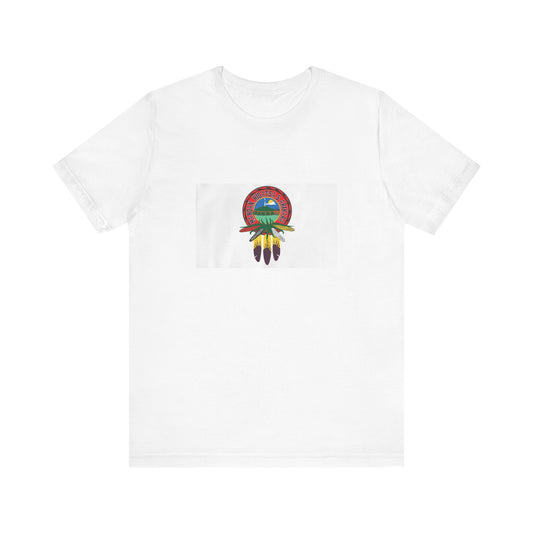
Hidatsa T-shirt
Regular price $22.79 USDRegular priceUnit price per -
Hidatsa Pillow
Regular price $22.65 USDRegular priceUnit price per -
Hidatsa Backpack
Regular price $59.79 USDRegular priceUnit price per -
Hidatsa Sweatshirt
Regular price $34.15 USDRegular priceUnit price per -
Hidatsa Mug
Regular price $11.65 USDRegular priceUnit price per -
Hidatsa Hoodies
Regular price $34.40 USDRegular priceUnit price per








Collection: Native American Flags: Hidatsa Tribe
Welcome to our curated collection of Hidatsa flags and merchandise, a respectful tribute to the rich history and cultural legacy of the Hidatsa people. This selection features flags, apparel, and accessories designed to honor tribal identity, promote cultural awareness, and support educational use.
Who Are the Hidatsa?

The Hidatsa are a Native American tribe of the Northern Plains, traditionally residing along the Missouri River in what is now North Dakota. They are one of the Three Affiliated Tribes, alongside the Mandan and Arikara, and are federally recognized as part of the Three Affiliated Tribes of the Fort Berthold Reservation.
The Hidatsa language is part of the Siouan language family. Historically, the Hidatsa were known for their earth lodge villages, agriculture (especially corn cultivation), and active participation in intertribal trade networks. Their economy and settlement patterns were closely tied to the Missouri River ecosystem.
Historical Context
Prior to European contact, the Hidatsa maintained large, fortified villages and were skilled farmers and traders. Their settlements along the Missouri River made them central figures in pre-contact trade routes. The tribe’s first documented interaction with Euro-American explorers occurred during the Lewis and Clark Expedition (1804–1806), which visited a Hidatsa-Mandan village near present-day Washburn, North Dakota.
In 1837, a devastating smallpox epidemic, introduced through trade with Europeans, decimated the Hidatsa and neighboring tribes. In the late 19th century, U.S. policies led to land reductions and the eventual consolidation of the Hidatsa, Mandan, and Arikara onto the Fort Berthold Reservation.
In the 20th century, the construction of the Garrison Dam (completed in 1953) by the U.S. Army Corps of Engineers submerged large portions of the reservation's most fertile lands, displacing many tribal members and severely disrupting their agricultural lifestyle.
Flag Symbolism
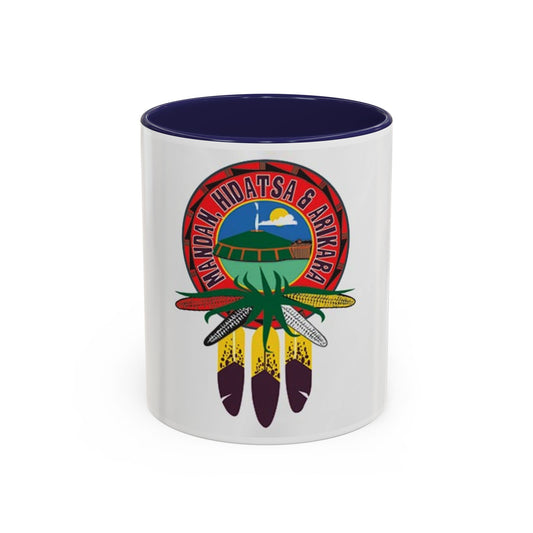
The Three Affiliated Tribes (MHA Nation) use a unified tribal flag representing the Mandan, Hidatsa, and Arikara Nations collectively. As of now, there is no widely recognized, officially separate flag used solely by the Hidatsa Tribe.
The MHA Nation flag features:
- A central circular seal containing symbolic representations of the three tribes.
- Three eagle feathers, each representing one of the affiliated tribes.
- Depictions of natural features significant to the tribes’ heritage.
- Tribal motifs illustrating their culture, history, and connection to the land.
This flag is used in official tribal government functions, cultural events, educational presentations, and at locations of tribal significance.
Contemporary Relevance
The Hidatsa, as members of the Three Affiliated Tribes, continue to play an active role in cultural preservation, economic development, and political advocacy. The tribal government operates from New Town, North Dakota, and supports initiatives in language revitalization, education, healthcare, and natural resource management.
Oil development on reservation lands has increased revenue in recent years, contributing to infrastructure and tribal services. However, it has also raised important discussions around sovereignty, environmental responsibility, and long-term sustainability.
The Hidatsa also actively preserve their oral histories, traditional crafts, and agricultural knowledge through tribal programs and community events.
Proper Flag Display and Cultural Protocols
When displaying the Three Affiliated Tribes flag or any representation of the Hidatsa people:
- Always treat the flag with dignity and respect.
- Display it in culturally appropriate settings such as tribal offices, educational institutions, and public commemorations.
- Do not alter or commercialize tribal symbols without proper permission.
- Learn about and honor tribal history when using cultural materials in public or private settings.
Additional Facts
- The Hidatsa refer to themselves as Nuxbaaga (pronounced NUHK-bah-guh), often translated as "willow people," though exact etymology varies.
- The Hidatsa language is considered endangered, and revitalization efforts are underway, supported by the MHA Nation.
- The Knife River Indian Villages National Historic Site in North Dakota preserves Hidatsa and Mandan village remains and their agricultural legacy.