
-
Paiute T-shirt
Regular price $22.79 USDRegular priceUnit price per -
Paiute Pillow
Regular price $22.65 USDRegular priceUnit price per -
Paiute Sweatshirt
Regular price $34.15 USDRegular priceUnit price per -
Paiute Mug
Regular price $11.65 USDRegular priceUnit price per -
Paiute Hoodies
Regular price $34.40 USDRegular priceUnit price per

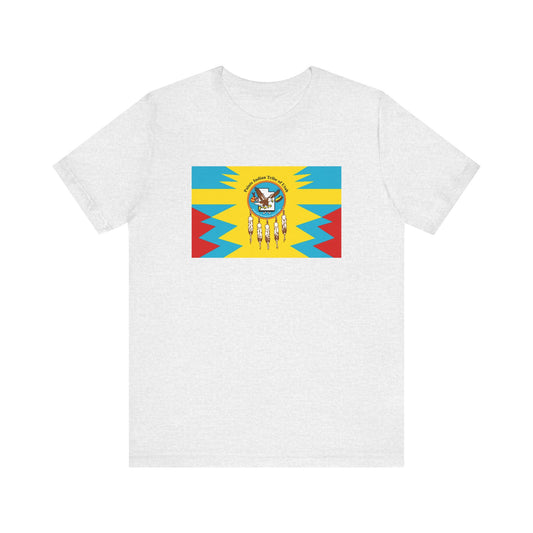



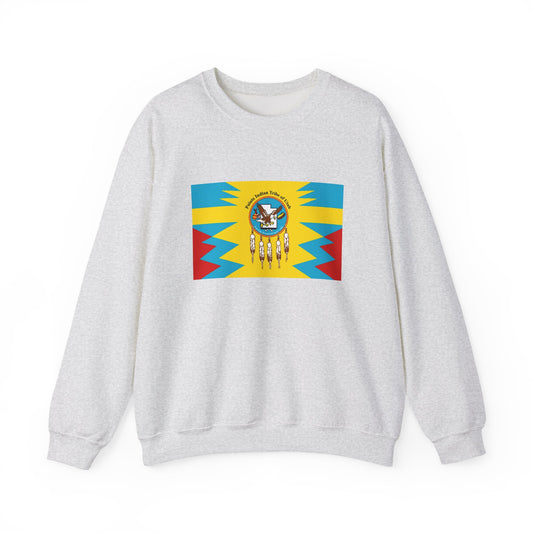

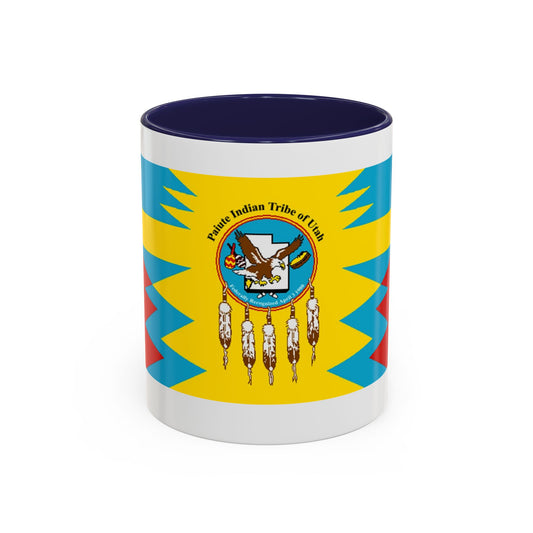

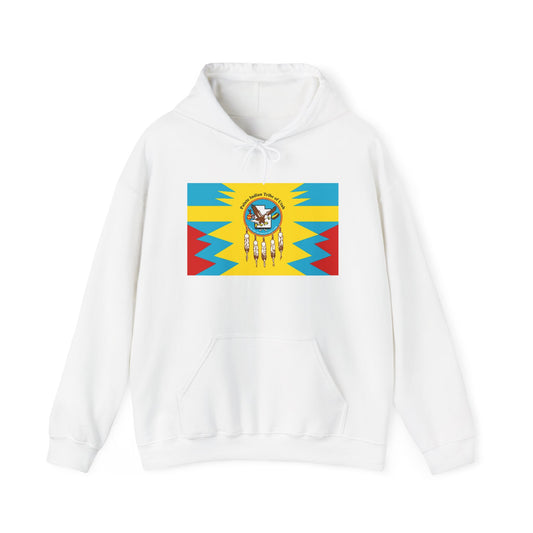
Collection: Native American Flags: Paiute Tribe Flag
Honor the resilience, wisdom, and enduring traditions of the Paiute people with our thoughtfully curated collection of flags and merchandise. This page celebrates the cultural richness of the Paiute Tribe — comprising several distinct bands across the west — through Native American flags and symbolic items that reflect their identity, sovereignty, and living heritage.
A band map image visually represents the distribution of Paiute bands across the west, illustrating their traditional territories. This image is based on input from tribal members and mapmakers such as Peter Orenski and Don Healy, whose contributions help document and preserve the cultural and geographic context of the Paiute Nation.
The Paiute: Keepers of the Great Basin

The Paiute Tribe includes multiple bands traditionally inhabiting areas across present-day Nevada, Utah, California, and Arizona. Broadly categorized into two main groups, the Northern Paiute and the Southern Paiute, these Indigenous peoples are deeply connected to the lands of the Great Basin and surrounding desert and mountain regions.
-
Northern Paiute – Known for their adaptability to high desert environments, these bands include the Pyramid Lake Paiute, Walker River Paiute, and others across Nevada and northeastern California.
- Southern Paiute – Inhabiting parts of southern Utah, northern Arizona, and southeastern Nevada, these bands include the Kaibab, Shivwits, Cedar, and Moapa Paiute tribes.
Despite regional and linguistic differences, the Paiute people share strong traditions of kinship, environmental stewardship, and spiritual practices rooted in the natural world. Their oral histories, seasonal ceremonies, and traditional ecological knowledge remain vital to their way of life.
The Significance of Native American Flags
Understanding the importance of Native American flags helps us appreciate why they are far more than decorative banners. Flags like the Paiute Indian Tribe flag embody native American pride, identity, and resilience. Each native American flag tells a story, reinforcing native American history and the enduring spirit of indigenous peoples. For the Paiute tribe, their flag is a visual testament to their unique culture, history, and art, offering a glimpse into the traditions that have shaped their community for generations.
Flying a tribe flag, such as that of the Paiute, is a meaningful act. It honors the tribe’s heritage, celebrates indigenous peoples’ pride, and keeps the memory of their ancestors alive. These flags serve as unique windows into the lives and values of native Americans, reminding us of the importance of preserving their stories and contributions. Whether displayed at a gathering or flown outside a home, the Paiute tribe flag stands as a proud marker of identity and a call to reinforce native American history for future generations.
Native American Culture and Traditions
The Paiute tribe’s rich culture and traditions are deeply intertwined with their ancestral lands in Utah and California. Their connection to these territories shapes everything from their traditional farming and ranching practices to the intricate designs found in their tribal seal.
The Paiute tribe’s art and cultural expressions are woven into daily life and ceremonial events, reflecting a heritage that’s both ancient and evolving. Their tribal seal, for instance, isn’t just a symbol — it’s a piece of living history, capturing the essence of their identity and the stories of their people. Preserving these traditions is vital, not just for the Paiute, but for the broader narrative of native American history. It’s through these cultural practices and symbols that the Paiute tribe continues to honor its past while shaping its future.
Paiute Flag: Symbolism and Meaning
The Paiute Tribe of Utah flag is a Native American tribal flag that is white with the tribal seal in the center in red and white. The tribal seal was officially adopted by tribal resolution 97-20 on 13 May 1997, an order that was signed by tribal officials at the time. The seal features an eagle flying in front of a map of Utah, with a pair of gourd rattles and a hand-held drum inside the seal, representing the Paiute's cultural songs. In addition, the flag's design includes five decorated feathers, each symbolising one of the five bands of the Paiute Tribe. The official name 'Paiute Indian Tribe of Utah' is arching above the seal on the flag. This flag commemorates the Paiute Tribe's federal recognition on April 3, 1980, marking a significant moment in the tribe's history and timeline of sovereignty.
The Paiute Tribe of Utah flag is constructed for outdoor use, making it suitable for display on a flagpole. It features brass grommets for durability and ease of hanging, and is double sided so that images and text are correctly visible from both sides. This makes the flag a striking and practical symbol for both ceremonial and everyday display.
Each federally recognized Paiute band has its own tribal flag, typically incorporating elements of nature, ancestral lands, and spiritual symbolism.
The Pyramid Lake Paiute Tribe flag features bold imagery of Pyramid Lake — a sacred body of water — framed by stylized mountains and eagles, representing protection and guardianship over their territory.
The Moapa Band of Paiutes flag uses traditional geometric designs and a sunrise motif, symbolizing renewal, cultural endurance, and a deep relationship with the desert environment.
Common across many Paiute flags are elements such as:
-
Eagles and hawks, which signify strength and vision
-
Canoes, rivers, and lakes, representing life-sustaining resources and spiritual balance
- Traditional dwellings or sacred geography, reflecting ties to ancestral homelands
These flags are visual affirmations of self-governance, unity, and the continuation of Paiute culture. They are displayed with reverence at cultural sites, government buildings, and spiritual gatherings, offering both historical recognition and a declaration of modern presence.
The Role of Flags in Native American Communities
Flags hold a special place in native American communities, acting as emblems of unity, identity, and native American pride. Tribal flags, like the Paiute tribe flag, are more than just markers — they’re living symbols of a tribe’s history, culture, and values. When these flags are displayed at tribal events, ceremonies, or community gatherings, they serve as a rallying point for people, reinforcing native American history and the shared experiences of indigenous peoples.
The act of displaying tribal flags is also a form of education. It invites others to learn about the unique heritage of native Americans, fostering understanding and respect. For the Paiute tribe, their flag is a source of pride and a reminder of their enduring presence. It’s a way for the tribe to celebrate its culture, honor its ancestors, and ensure that the stories of the Paiute people remain visible and valued in the wider world.
Indigenous Peoples and Their Heritage
Indigenous peoples, including the Paiute tribe, possess a cultural heritage that is both unique and invaluable. Their history, art, and customs offer a rare window into the past, revealing the depth and diversity of native American traditions. The preservation of this heritage is not just about honoring history — it’s about sustaining the identity and pride of indigenous peoples for generations to come.
Flags, such as the Paiute tribe flag, play a crucial role in this process. They are more than symbols; they are tools for promoting native American pride and safeguarding the stories, art, and values that define a tribe. By flying these flags and sharing their meaning, the Paiute tribe and other indigenous communities ensure that their heritage remains vibrant and respected, both within their own communities and beyond.
Preserving Native American Cultural Heritage
Preserving native American cultural heritage is essential for keeping the traditions and practices of indigenous peoples alive. This goes beyond simply remembering the past — it’s about actively celebrating and protecting the culture, history, and identity of tribes like the Paiute. One way this is achieved is through the display of tribal flags and the adoption of meaningful symbols, such as the tribal seal.
The Paiute tribe has made significant efforts to safeguard their heritage, from showcasing their flag at important events to maintaining traditional practices that have been handed down through generations. These actions promote native American pride and help educate others about the richness of indigenous cultures. By valuing and displaying tribal flags and seals, we contribute to the ongoing story of native American history, ensuring that the voices and traditions of the Paiute tribe and other indigenous peoples continue to inspire and endure.
Contemporary Significance of the Paiute Tribe
Today, the Paiute Tribe consists of multiple federally recognized bands, each with its own tribal government and jurisdiction. Among them are the Las Vegas Paiute Tribe, Bishop Paiute Tribe, Cedar Band of Paiutes, Pyramid Lake Paiute Tribe, and the Utu Utu Gwaitu Paiute Tribe, to name a few.
Across these communities, tribal flags are flown to represent:
- Sovereign identity in intergovernmental settings
- Participation in environmental and water rights advocacy
- Cultural visibility during annual powwows, language revitalization efforts, and tribal education programs
Many Paiute tribes are active in preserving their ecosystems, especially in defense of sacred water sources like Pyramid Lake and the Colorado River, aligning their flags and public symbols with causes rooted in heritage, survival, and environmental justice.
Additional Facts and Protocols
-
Ceremonial Significance: The use of Paiute tribal flags often accompanies events like seasonal dances, memorials, and cultural renewal ceremonies, reflecting both honor and continuity.
-
Respectful Display: When exhibited publicly, Paiute flags should be treated with dignity and should never be displayed in a damaged or inverted state. Each tribe may have specific protocols regarding how and where the flag is presented.
-
Cultural Integrity: Colors and motifs on Paiute flags are not merely decorative — they hold deep meaning tied to clan identity, sacred landscapes, and oral history. Accurate representation is essential.
-
Sovereignty Recognition: All Paiute flags represent distinct tribal governments that are sovereign under federal law. Their flags symbolize political autonomy and carry the same legal recognition as those of nations around the world.
- Flag Features: The I Love San Juan Southern Paiute Tribe Flag is made of high quality polyester, which makes it durable even in inclement weather. Its double sided design ensures that images and text are correctly visible from both sides, making it ideal for display. This flag is suitable for various occasions, including outdoor use — such as yard displays or flagpoles — and also makes a thoughtful gift.