-
Miami People Leather Patch Hat
Regular price $18.85 USDRegular priceUnit price per -
Miami People Trucker Cap
Regular price $14.90 USDRegular priceUnit price per -
Miami People T-shirt
Regular price $22.79 USDRegular priceUnit price per -
Miami People Pillow
Regular price $22.65 USDRegular priceUnit price per -
Miami People Backpack
Regular price $59.79 USDRegular priceUnit price per -
Miami People Mug
Regular price $11.65 USDRegular priceUnit price per -
Miami People Hoodies
Regular price $34.40 USDRegular priceUnit price per -
Miami People Sweatshirt
Regular price $34.15 USDRegular priceUnit price per



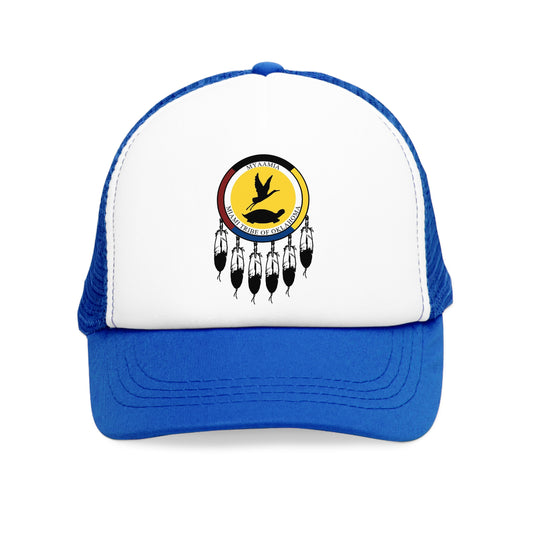

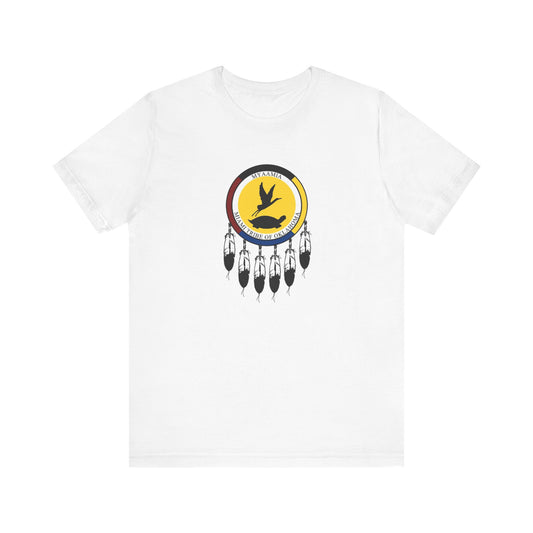




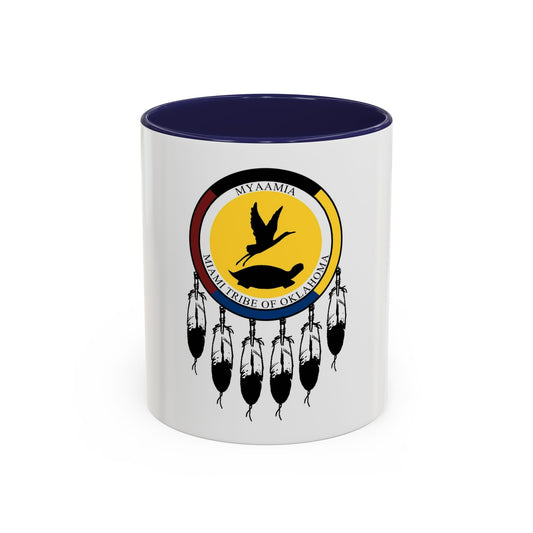

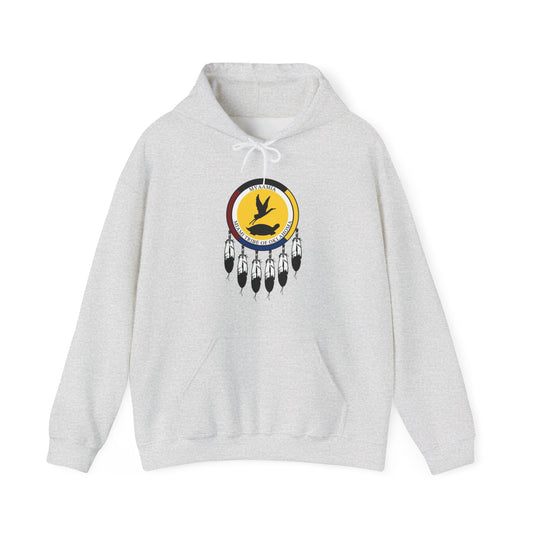

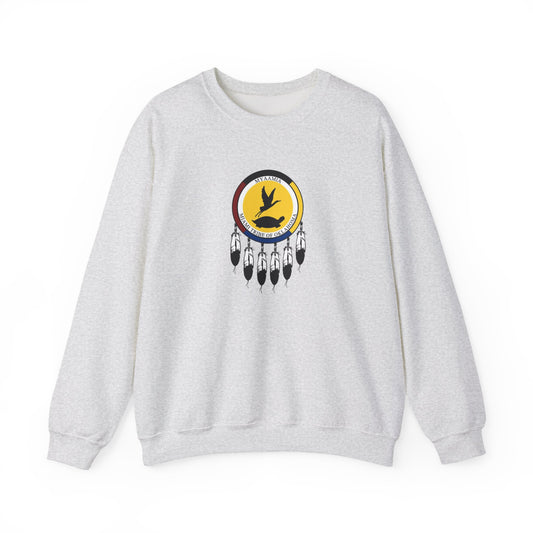
Collection: Native American Flags: Miami Tribe of Oklahoma
The Miami Tribe of Oklahoma is a federally recognized Native American tribe with ancestral roots in the Great Lakes region, specifically in areas that are now Indiana, Illinois, and western Ohio. Known as the Myaamia in their own language, the Miami were originally one of the most influential Algonquian-speaking tribes of the Midwest. Today, their government, culture, and community life continue in northeastern Oklahoma.
Historical Context

The Miami people originally lived around the southern shores of Lake Michigan and spread across the Wabash River Valley. Their central village, Kekionga (present-day Fort Wayne, Indiana), served as a vital hub of Miami political and cultural life. The tribe was deeply involved in trade with French and British colonists and formed key alliances during conflicts such as the French and Indian War.
In the 19th century, a series of treaties with the U.S. government resulted in massive land loss. In 1846, the Miami were forcibly removed from their homelands and relocated to Indian Territory (present-day Oklahoma). While some members remained in Indiana and later became known as the Miami Nation of Indiana, only the relocated group in Oklahoma is federally recognized today.
Symbolism of the Tribal Flag
The Miami Tribe of Oklahoma's flag features their official tribal seal on a solid background. The seal includes important elements that represent Miami identity and sovereignty:
-
Central Symbol: A stylized image of a crane, a significant clan animal in Miami oral tradition and symbolism.
-
Surrounding Text: The words "Miami Tribe of Oklahoma" encircle the emblem, asserting the tribe's official status and identity.
- Color and Layout: While the flag's background color may vary, the focus remains on the tribal seal, which signifies cultural heritage, governance, and self-determination.
The flag is used at official tribal events, public demonstrations, intertribal gatherings, and within government buildings as a visual expression of unity and heritage.
Modern Governance and Cultural Revitalization
The Miami Tribe of Oklahoma operates from its headquarters in Miami, Oklahoma. It maintains a democratic government structure, including a Chief, Second Chief, and Tribal Council, who oversee various aspects of community affairs, economic development, and cultural preservation.
Key Programs and Initiatives:
-
Myaamia Center: In partnership with Miami University in Ohio, the tribe has established the Myaamia Center, a research and education institution focused on the revitalization of the Myaamia language and culture.
-
Language Revitalization: Once considered dormant, the Miami language is now taught to younger generations, with growing fluency among youth and elders alike.
- Annual Gatherings: The tribe hosts cultural events, such as the Winter Gathering and Myaamiaki Conference, to strengthen community bonds and educate others about their heritage.
Additional Facts
- The Miami Tribe of Oklahoma is one of the few tribes actively involved in language reawakening, with a documented revival of the once-sleeping Myaamia language.
- The tribe offers educational scholarships, operates housing programs, and provides healthcare and wellness services for its members.
- The partnership between the Miami Tribe and Miami University is considered a model for respectful collaboration between a tribe and a non-Indigenous institution.