-
Piegan Blackfeet Leather Patch Hat
Regular price $18.85 USDRegular priceUnit price per -
Piegan Blackfeet Trucker Cap
Regular price $14.90 USDRegular priceUnit price per -
Piegan Blackfeet T-shirt
Regular price $22.79 USDRegular priceUnit price per -
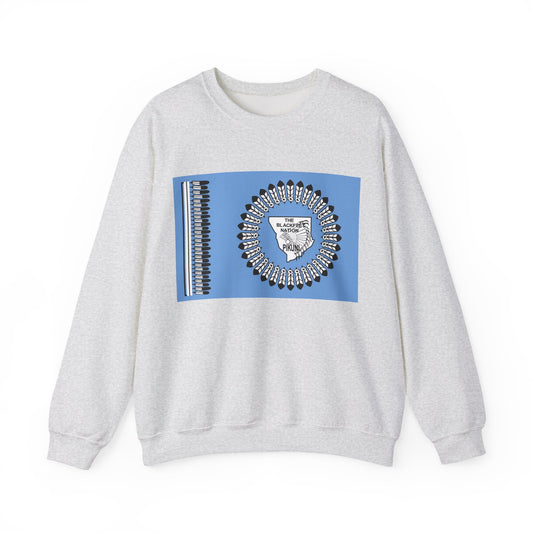
Piegan Blackfeet Sweatshirt
Regular price $34.15 USDRegular priceUnit price per -
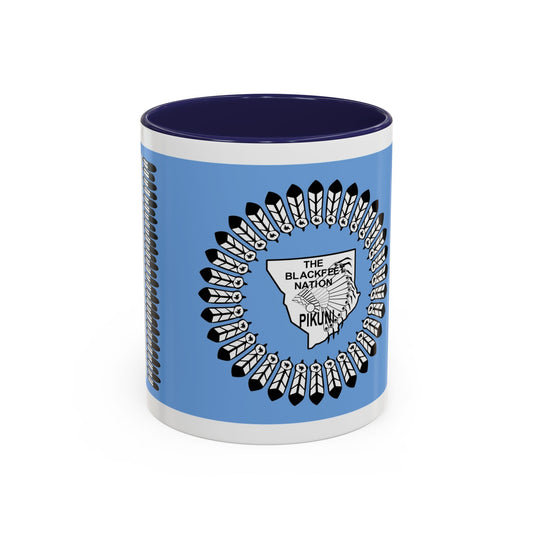
Piegan Blackfeet Mug
Regular price $11.65 USDRegular priceUnit price per -
Piegan Blackfeet Backpack
Regular price $59.79 USDRegular priceUnit price per -
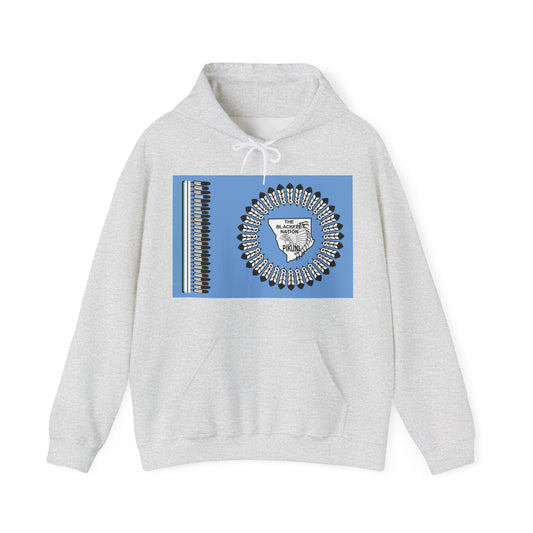
Piegan Blackfeet Hoodies
Regular price $34.40 USDRegular priceUnit price per








Collection: Native American Flags: Piegan Blackfeet
Honor the spirit, heritage, and resilience of the Piegan Blackfeet people with our curated collection of flags and cultural merchandise. This page pays tribute to the Aamsskáápipikani—one of the three primary divisions of the Blackfoot Confederacy—through flag designs and cultural symbols that reflect their enduring traditions and identity.
The Piegan Blackfeet: A Proud and Enduring Nation

The Piegan Blackfeet, or Aamsskáápipikani in their native tongue, are part of the larger Blackfoot Confederacy, a powerful alliance of Plains tribes that includes the Siksiká (Blackfoot) and Kainai (Blood) Nations. The Piegan are the southernmost division, historically inhabiting the northern Great Plains in areas that now span northern Montana and parts of southern Alberta.
Before European contact, the Piegan lived as nomadic bison hunters, following vast herds across the plains. Their lives were deeply interwoven with the land, animals, and celestial cycles. They developed a rich oral tradition, strong kinship networks, and a complex ceremonial life rooted in nature and spiritual guardianship.
Today, the Piegan Blackfeet are federally recognized as part of the Blackfeet Nation, primarily based on the Blackfeet Indian Reservation in northwestern Montana. This reservation covers more than 1.5 million acres and is home to over 10,000 enrolled members. While many Piegan still reside on tribal land, their cultural and spiritual influence extends across North America.
Piegan Blackfeet Flag: Symbolism and Design
The official flag of the Blackfeet Nation incorporates visual elements that express sovereignty, sacred geography, and cultural endurance. At its center is the outline of the Blackfeet Reservation, anchoring the tribe to their homeland. Inside that shape is a war bonnet—a revered cultural symbol of honor, leadership, and warrior tradition.
Encircling this central design are eagle feathers arranged in a ceremonial pattern. Each feather represents a tribal district or respected element of the nation’s social and political identity. The coup stick or lance, also featured, is a traditional item symbolizing bravery, especially in battle or defense of the people.
The flag’s blue field is often interpreted as a representation of the sky, spiritual protection, and the Piegan connection to the natural world. Every visual detail on the flag reflects sacred values, ancestral lineage, and the continued presence of the Blackfeet as a sovereign and self-determined people.
Cultural Relevance and Continuity Today
The Piegan Blackfeet remain committed to preserving and revitalizing their heritage. Their cultural resilience is evident in tribal schools, ceremonial events, language programs, and intergenerational storytelling. Institutions like the Blackfeet Community College and tribal cultural centers are helping to renew the use of the Blackfoot language (Nitsíniiyi’taki) and reinforce traditional knowledge systems.
Major events such as the North American Indian Days in Browning, Montana, and Heart Butte Celebration bring together thousands of tribal members and visitors to witness traditional dancing, drum circles, parades, horse relays, and ceremonial feasts. These gatherings showcase the enduring pride and unity of the Piegan Blackfeet people.
Spiritual traditions like the Sun Dance, sweat lodge ceremonies, and the use of medicine bundles remain deeply respected and are practiced with reverence. These customs, often taught by tribal elders and medicine people, continue to guide the community spiritually and ethically.
Additional Facts and Cultural Protocols
-
Sacred Landscapes: Areas such as Chief Mountain and parts of Glacier National Park hold spiritual significance for the Piegan. These are places of vision quests, prayers, and connection to ancestral spirits. Respecting these spaces—both in presence and in conversation—is vital.
-
Eagle Feathers and Coup Sticks: These items are not just ornamental. They are earned through acts of service, bravery, or ceremonial roles. Non-tribal individuals should never wear or replicate these without tribal guidance and permission.
-
Language Revitalization: The Piegan dialect of Blackfoot is a cornerstone of cultural identity. Tribal programs have reintroduced immersion education to help children and youth become fluent speakers, preserving a vital link to ancestral wisdom.
- Tribal Governance: The Blackfeet Nation operates under its own constitution and maintains a Tribal Business Council, reflecting both modern governance structures and traditional leadership values. The flag is often raised at council meetings and national celebrations to assert sovereignty and unity.