-
Modoc People Leather Patch Hat
Regular price $18.85 USDRegular priceUnit price per -
Modoc People T-shirt
Regular price $22.79 USDRegular priceUnit price per -
Modoc People Pillow
Regular price $22.65 USDRegular priceUnit price per -
Modoc People Backpack
Regular price $59.79 USDRegular priceUnit price per -
Modoc People Sweatshirt
Regular price $34.15 USDRegular priceUnit price per -
Modoc People Hoodies
Regular price $34.40 USDRegular priceUnit price per



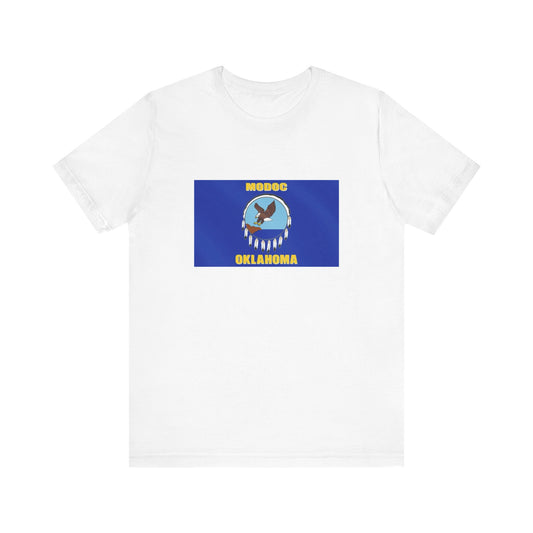




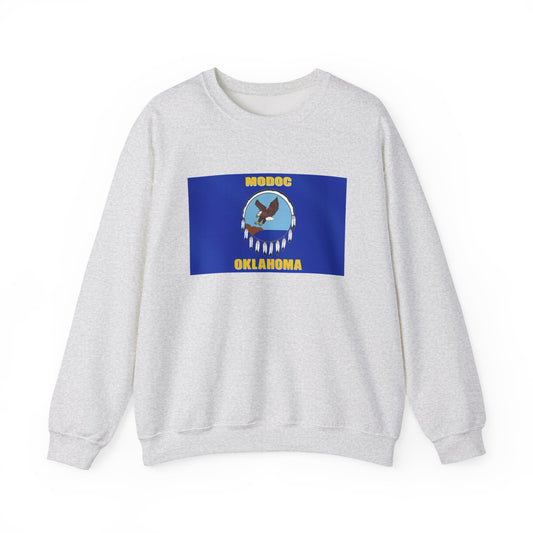

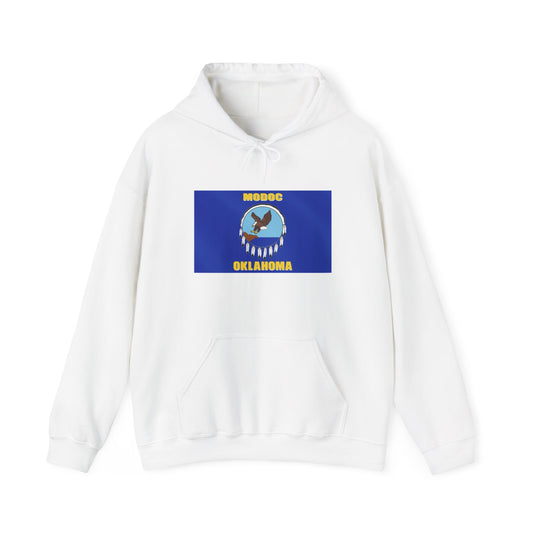
Collection: Native American Flags: Modoc Tribe
Explore our exclusive collection honoring the Modoc Tribe of Oklahoma, a people of strength and perseverance whose legacy spans from northern California to their current sovereign homeland in Oklahoma. Our flags and merchandise celebrate the rich heritage, resilience, and identity of the Modoc Nation.
About the Modoc People

The Modoc are Indigenous to the Klamath Basin region, including what is now southern Oregon and northern California. Traditionally, they were expert fishers, hunters, and gatherers, living in pit houses during the winter and temporary shelters in warmer months.
The Modoc spoke a dialect of the Klamath-Modoc language, part of the Plateau Penutian family. Today, the Modoc Tribe of Oklahoma is federally recognized and works actively to preserve and revitalize its cultural heritage.
Historical Context
In 1864, the U.S. government forced the Modoc to share a reservation with the Klamath and Yahooskin tribes in southern Oregon—a move that led to tension and eventual conflict. A Modoc leader known as Captain Jack (Kintpuash) led a group back to their ancestral lands near Tule Lake, California.
This act of resistance led to the Modoc War of 1872–1873, one of the most costly and difficult conflicts for the U.S. Army during the Indian Wars. Despite their small numbers, the Modoc resisted for months from the lava beds before finally being captured.
In 1873, surviving Modoc people were forcibly relocated to Indian Territory—present-day Oklahoma—where their descendants form the Modoc Tribe of Oklahoma. Federal recognition was restored in 1978.
The Flag of the Modoc Tribe of Oklahoma
The official tribal flag of the Modoc Tribe of Oklahoma is a vibrant representation of heritage, unity, and identity.
Flag Description and Symbolism:
-
Field Color: The background is a solid medium blue, symbolizing peace, spirituality, and the sky.
-
Central Emblem: At the center is the tribal seal, surrounded by a white ring. This seal includes a red eagle with outstretched wings, representing strength, spiritual guidance, and the enduring Modoc spirit.
-
Circle of Life & Clan Feathers: Hanging from the bottom of the circular seal are ten feathers, each symbolizing one of the ten clans of the Modoc people. The feathers are black and white with red and yellow tufts—colors sacred in Native tradition, often representing the four directions and stages of life.
- Border Text: The words “MODOC” appear in gold above the seal, and “OKLAHOMA” below it, emphasizing the tribe's current home while honoring their origins.
Current Relevance
Today, the Modoc Tribe of Oklahoma is headquartered in Miami, Oklahoma. With a population descended from those exiled in the 19th century, the tribe governs itself through a constitution and elected council.
The Modoc Nation actively engages in:
- Language and cultural revitalization
- Economic development
- Environmental stewardship
- Education and healthcare initiatives
They also work in partnership with other tribes, local communities, and government agencies to advance tribal sovereignty and well-being.
Additional Facts and Protocols
- The Modoc were skilled in diplomacy, survival, and adaptation—qualities evident in both their resistance during the Modoc War and their modern resurgence.
- The ten feathers on the flag are deeply symbolic and should be treated with cultural respect.
- Tribal flags should always be displayed with dignity and never placed below other tribal, national, or organizational flags at Native gatherings.