
-
Cahuilla Leather Patch Hat
Regular price $18.85 USDRegular priceUnit price per -
Cahuilla T-shirt
Regular price $22.79 USDRegular priceUnit price per -
Cahuilla Pillow
Regular price $22.65 USDRegular priceUnit price per -
Cahuilla Sweatshirt
Regular price $34.15 USDRegular priceUnit price per -
Cahuilla Mug
Regular price $11.65 USDRegular priceUnit price per -
Cahuilla Backpack
Regular price $59.79 USDRegular priceUnit price per -
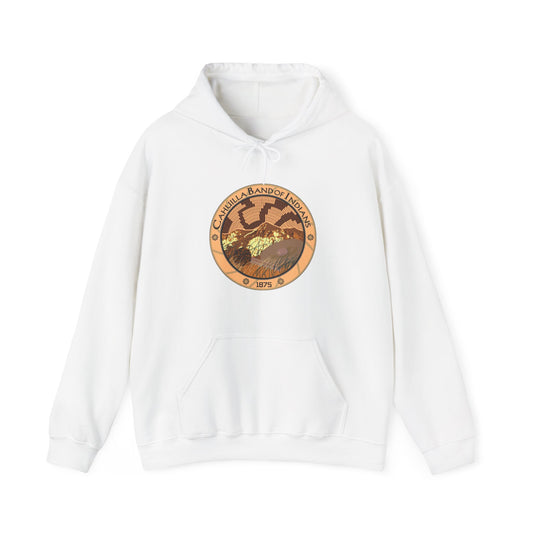
Cahuilla Hoodies
Regular price $34.40 USDRegular priceUnit price per








Collection: Native American Flags: Cahuilla Tribe
Cahuilla Symbols: Native American Flags of the Cahuilla Tribe
Celebrate the enduring spirit and cultural richness of the Cahuilla people with our curated collection of Native American flags and cultural merchandise. This page honors the legacy of the Cahuilla Tribe through thoughtfully designed items that reflect their deep-rooted traditions and symbols.
The Cahuilla People: A Proud and Enduring Nation

The Cahuilla Tribe is a Native American people indigenous to Southern California. Historically, their ancestral territory encompassed the inland desert and mountain regions, including what are now Riverside, San Bernardino, and San Diego counties. The Cahuilla territory stretched from the east, near the Colorado Desert, to the west, approaching the Pacific Coast, marking the boundaries of their cultural landscape. The Cahuilla people originally inhabited an area in Southern California stretching from the San Bernardino Mountain Range to the Chocolate Mountains in the North. The Cahuilla people are traditionally divided into three groups based on geography: the Desert Cahuilla, Mountain Cahuilla, and Pass Cahuilla.
They lived in a landscape of striking contrasts, adapting to arid deserts and rugged mountains through seasonal migration and a deep knowledge of local ecosystems. Elevations in Cahuilla territory range from below sea level to thousands of feet, featuring dramatic canyons and vital water sources such as springs and streams. The Cahuilla territory experiences harsh climates with summer temperatures reaching 125 F and winter temperatures dropping below freezing. Their traditional lifestyle included gathering native plants, hunting game, and using desert resources like agave and mesquite. The diverse desert flora, including cacti and tree species, played a crucial role in daily life for food, medicine, and materials. The Cahuilla are known for their complex clan structure, sophisticated basket weaving, and strong spiritual connection to the land.
Cahuilla dwellings included various types of houses, such as dome-shaped houses and ceremonial sweat houses, often built close to the ground within their villages to suit the environment and social needs. The Cahuilla constructed shelters made from poles and brush, some of which were dome-shaped with an entrance opening.
Today, several federally recognized tribes descend from the original Cahuilla, such as the Agua Caliente Band of Cahuilla Indians, Morongo Band of Mission Indians, Torres-Martinez Desert Cahuilla Indians, and others. Each village was typically organized around reliable water sources and adapted to the extreme summer conditions of the desert. Water sources in Cahuilla territory were variable and essential for their villages, often located near springs or lakes. Each continues to preserve the legacy of the Cahuilla name while developing independently as sovereign nations.
Cahuilla Tribal Flag: Symbols, Symbolism and Design
The Cahuilla tribal flag varies by band, but common elements include references to the land, sun, and sacred animals. The Cahuilla Band of Indians, for example, features a white field centered with their tribal seal. This seal contains depictions of mountains, traditional dwellings, and palm trees, representing the balance between the natural world and cultural tradition.
Bold outlines and earthy colors are often used to evoke the tribal relationship with their ancestral homeland. The inclusion of traditional motifs, such as woven patterns or geometric forms, speaks to the community’s strong aesthetic and spiritual heritage. The form of these geometric patterns is influenced by traditional Cahuilla basketry, where the shape and structure of each design carry artistic significance and sometimes reflect European influence on traditional forms. Light colors, such as the nearly white field or light-toned patterns, are also characteristic, echoing the use of light hues in basket coils and dyed designs.
These flags are a reflection of identity, sovereignty, and unity. Each symbol depicted on the flag, such as animals or geometric shapes, carries specific meaning rooted in Cahuilla culture, often representing spiritual beliefs, cultural values, or important aspects of their heritage. They are used during official tribal events, community celebrations, and as a visual declaration of cultural pride.
Traditional Cahuilla Practices
The traditional practices of the Cahuilla people are a testament to their enduring connection with the land and the vibrant legacy of Cahuilla culture. Living across the diverse landscapes of Southern California, from the sun-drenched Coachella Valley to the rugged mountain ranges and along the Colorado River, the Cahuilla Indians have developed a way of life deeply attuned to the rhythms of the desert and its native plants.
At the heart of Cahuilla culture is the art of basket making, a skill passed down through generations and celebrated for its beauty and utility. Cahuilla baskets are renowned for their intricate designs and the use of materials native to the region, such as the juncus plant, deer grass, and sumac. Before weaving, the Cahuilla had to gather and prepare materials, which could take months. Each basket is more than just a functional object—it is a work of art, often featuring meaningful symbols like the double arrow point, which holds special significance within the tribe. The process of gathering, preparing, and weaving these materials requires patience, knowledge, and a deep respect for the sacred nature of the land. Through basket making, Cahuilla women not only create beautiful objects but also preserve stories, traditions, and the very essence of their culture.
Spirituality is woven into every aspect of Cahuilla life. The Cahuilla people believe that every element of their environment—rocks, trees, animals, and even the desert wind—carries a story and a lesson. This reverence for the natural world is reflected in their use of native plants for food, medicine, and ceremonial purposes. For example, the fruit of the cactus and berries from desert plants are gathered seasonally, while the juncus plant is carefully harvested for weaving. These practices are guided by traditional knowledge, ensuring that resources are used sustainably and with gratitude.
Storytelling and music are also central to Cahuilla culture. Through stories told in the Cahuilla language, elders pass down the history, values, and lessons of the tribe. These stories often explain the origins of the land, the animals, and the customs that define Cahuilla life. Music, especially bird singing, accompanies ceremonies and gatherings, bringing the community together and reinforcing a shared sense of identity. Bird Songs are an essential part of Cahuilla rituals and use musical instruments like rattles to tell the stories of origin and migration.
Food gathering and hunting remain important aspects of Cahuilla tradition. The tribe has long relied on the abundance of the desert, skillfully hunting deer and other game, and gathering seeds, nuts, and fruits from the land. Traditional farming techniques, such as irrigation and crop rotation, have allowed the Cahuilla to cultivate crops even in the challenging desert environment. These practices reflect a profound understanding of the land and a commitment to living in harmony with nature.
Today, the Agua Caliente Band of Cahuilla Indians and other recognized Cahuilla bands continue to honor and promote these traditions. Museums and cultural centers in Palm Springs and throughout the region, such as the Agua Caliente Cultural Museum, offer exhibits on Cahuilla baskets, pottery, and other traditional arts. These institutions play a vital role in preserving Cahuilla history and sharing it with the world.
Visitors to Palm Springs and the surrounding areas can explore Cahuilla culture through festivals, art shows, and hands-on workshops. Local Cahuilla artists keep the tradition alive by creating baskets, pottery, and jewelry that reflect both ancient techniques and contemporary creativity. Through these efforts, the Cahuilla people ensure that their stories, skills, and symbols continue to inspire new generations.
In every aspect of their lives, from the objects they create to the stories they tell, the Cahuilla people demonstrate a profound respect for the land and a commitment to preserving their unique heritage. The traditions of the Cahuilla tribe are not just remnants of the past—they are living expressions of identity, resilience, and the enduring power of culture.
Cahuilla Culture: Relevance and Continuity Today
The Cahuilla people maintain a vibrant cultural presence. Artists within the community create both traditional and contemporary works, contributing to the ongoing expression of Cahuilla identity. One notable project involves collaborative efforts to document and reinterpret ancestral stories through multimedia installations, blending traditional themes with modern techniques. Cahuilla artists express cultural identity through modern forms including murals and installations. Language revitalization efforts are underway, with classes and digital tools available to help preserve the Cahuilla language. Basket weaving, bird singing, and ceremonial dances continue to be practiced and taught to younger generations.
Tribal governments operate with self-determination, managing affairs such as education, land use, and health services. Several Cahuilla tribes also manage enterprises that contribute economically to both their communities and the broader region.
Annual events like traditional gatherings and cultural festivals serve as opportunities to share knowledge, celebrate identity, and sustain community bonds. These living traditions ensure that Cahuilla culture is not only preserved—but thrives.
Additional Facts and Cultural Protocols
-
Clanship System: Cahuilla social organization is based on a patrilineal clan system, with each clan tracing its roots to a common mythic ancestor and fulfilling specific ceremonial roles.
-
Sacred Geography: Important locations like the Santa Rosa Mountains, Tahquitz Canyon, and the Salton Sea are tied to Cahuilla creation stories and spiritual beliefs.
-
Language: The Cahuilla language, part of the Uto-Aztecan family, is being revitalized through community-led programs and linguistic documentation.
-
Respect for Elders: Elders are highly regarded as cultural bearers and spiritual guides. Their stories and teachings are central to maintaining tradition.
-
Plates: Plates, often woven or crafted, were used by the Cahuilla for serving and carrying food. These items held both practical and ceremonial significance, with designs reflecting cultural identity.
-
Pots: Traditional Cahuilla pot making involved shaping clay or weaving materials into vessels for cooking, food storage, and ceremonial use. Pots were valued for their craftsmanship and symbolic designs.
- Trays: Trays, typically flat and round baskets, were used for serving food and in ceremonial contexts. The decorative patterns and skilled basketry of these trays highlight their importance in Cahuilla culture.