
-
Odawa Leather Patch Hat
Regular price $18.85 USDRegular priceUnit price per -
Odawa Trucker Cap
Regular price $14.90 USDRegular priceUnit price per -
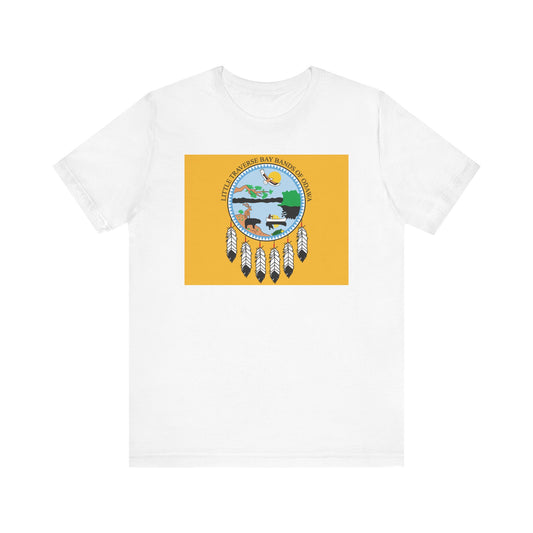
Odawa T-shirt
Regular price $22.79 USDRegular priceUnit price per -
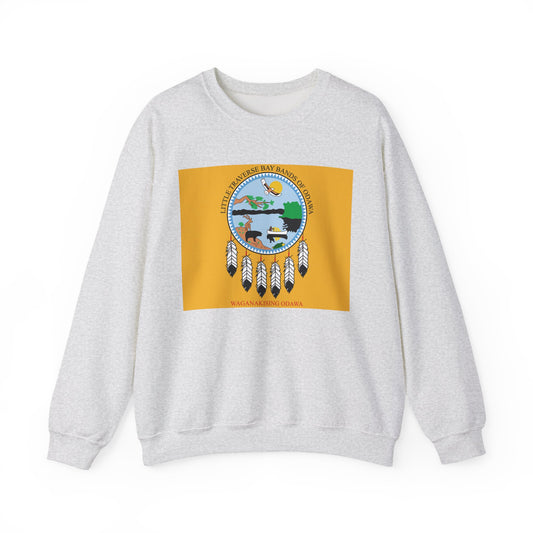
Odawa Sweatshirt
Regular price $34.15 USDRegular priceUnit price per -
Odawa Backpack
Regular price $59.79 USDRegular priceUnit price per -
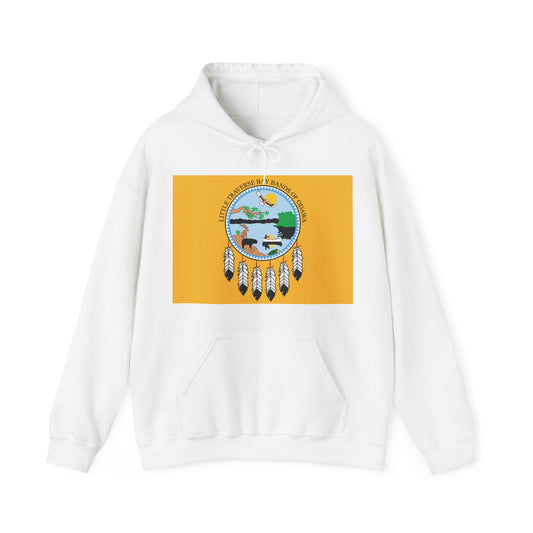
Odawa Hoodies
Regular price $34.40 USDRegular priceUnit price per







Collection: Native American Flags: Odawa Tribe
Celebrate the rich heritage and enduring spirit of the Odawa people with our curated collection of flags and cultural merchandise. This page honors the legacy of the Odawa Tribe through thoughtfully designed items that reflect their deep-rooted traditions and symbols.
The Odawa: A Proud and Enduring Nation

The Odawa Tribe, also known as the Ottawa, is an Indigenous people whose ancestral lands span the Great Lakes region, including parts of present-day Michigan, Ohio, and Ontario. Historically, the Odawa were renowned as skilled traders, facilitating the exchange of goods and culture among various Indigenous nations. They are part of the Anishinaabeg confederacy, closely related to the Ojibwe and Potawatomi peoples.
The Odawa played significant roles in regional alliances and conflicts, including the French and Indian War and Pontiac's Rebellion. Today, several federally recognized tribes in the United States and First Nations in Canada trace their lineage to the Odawa, with communities actively preserving their language, traditions, and cultural practices.
Odawa Tribal Flag: Symbolism and Design
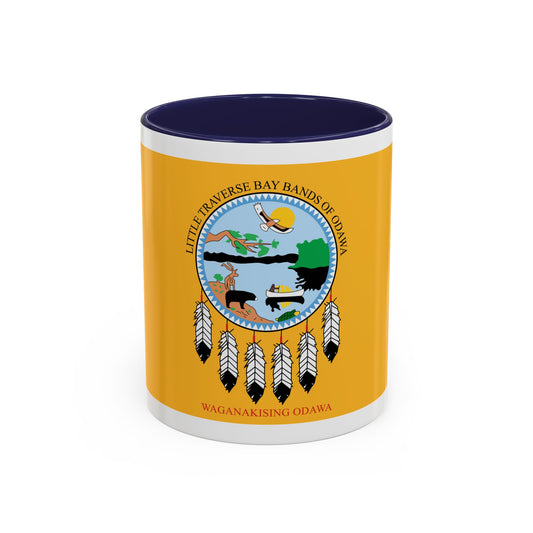
The flag of the Little Traverse Bay Bands of Odawa Indians (LTBB) serves as a vibrant emblem of cultural identity, governance, and continuity. It features rich symbolism that honors the tribe’s history, values, and spiritual worldview.
At the center of the flag is the tribal seal, which incorporates deeply meaningful visual elements:
-
The Crane (Ajijaak): This bird represents leadership and eloquence. Within traditional clan systems, the Crane Clan is often associated with those who guide others and use their voices for the good of the community.
-
The Sun and Sky: Symbolizing life, growth, and spiritual illumination, the sun reflects the tribe’s connection to the rhythms of nature and their respect for the Creator’s gifts.
-
Water and Canoe: The inclusion of water and a canoe reflects the Odawa’s extensive history as canoe traders, navigating the Great Lakes and riverways to build trade networks and alliances.
-
The Sacred Circle: Encircling the central imagery, the circle represents the cycle of life, the unity of the tribe, and their interdependence with the natural world.
- Medicine Wheel Colors: Traditional colors—black, red, yellow, and white—may be represented in ceremonial forms of the seal, each corresponding to a cardinal direction and an element of balance in life.
The flag's clean background provides contrast, allowing the seal to stand out prominently. The surrounding inscription of “Little Traverse Bay Bands of Odawa” firmly asserts tribal sovereignty and contemporary recognition.
This flag is displayed at tribal government buildings, used in intertribal gatherings, and raised during cultural events—functioning as a contemporary emblem of identity, heritage, and unity.
Cultural Relevance and Continuity Today
The Odawa people remain deeply connected to their cultural roots, while also engaging actively in modern tribal governance and social development. Elders and educators are leading language revitalization programs to preserve and teach the Odawa language to future generations.
Traditional art forms such as beadwork, wood carving, and basketry are practiced and shared at cultural events. The Odawa continue to celebrate their ancestral stories and sacred teachings through seasonal gatherings, dances, and storytelling ceremonies.
Tribal governments work to support education, health, and economic growth, while ensuring the cultural well-being of their communities. Many Odawa youth are engaged in efforts to preserve ecological resources and uphold treaty rights related to fishing and land stewardship.
Additional Facts and Cultural Protocols
-
Language: The Odawa speak a dialect of Anishinaabemowin, an Algonquian language. Revitalization initiatives include immersion classes and community projects.
-
Clan System: The traditional clan system structures Odawa social identity and responsibilities. Each clan is connected to specific animals and roles within the tribe.
-
Spiritual Life: Ceremonial practices remain central, with rituals that honor ancestors, nature, and the Creator.
- Craftsmanship: Odawa artisans are known for their skilled craftsmanship in leatherwork, regalia-making, and birchbark containers—many of which carry sacred or historical significance.